
One-Month Europe Trip on a Budget: Cost Breakdown and Itinerary (2026)
Published Jan. 2020 | Updated April 2026
Planning a one-month Europe trip and feeling overwhelmed? In this guide, I break down exactly how much a one-month Europe trip costs, plus a detailed itinerary to help you decide where to go.
My multi-country itinerary takes you through London, Belgium, France, and Spain. It includes pricing for transportation between each city and accommodations. There are also estimated costs for food, activities, and “hidden” costs that most people forget about.
When I first wrote this post in January 2020, all the pricing was based on my month-long Europe trip in January 2019. Safe to say, the cost of travel has skyrocketed since then!
Luckily, I’ve got quite a few tips to help you save money as you plan your month in Europe — all shared in this guide!
Note: All costs are in U.S. Dollars and estimated based on Euro-to-USD conversion rates as of April 2026.
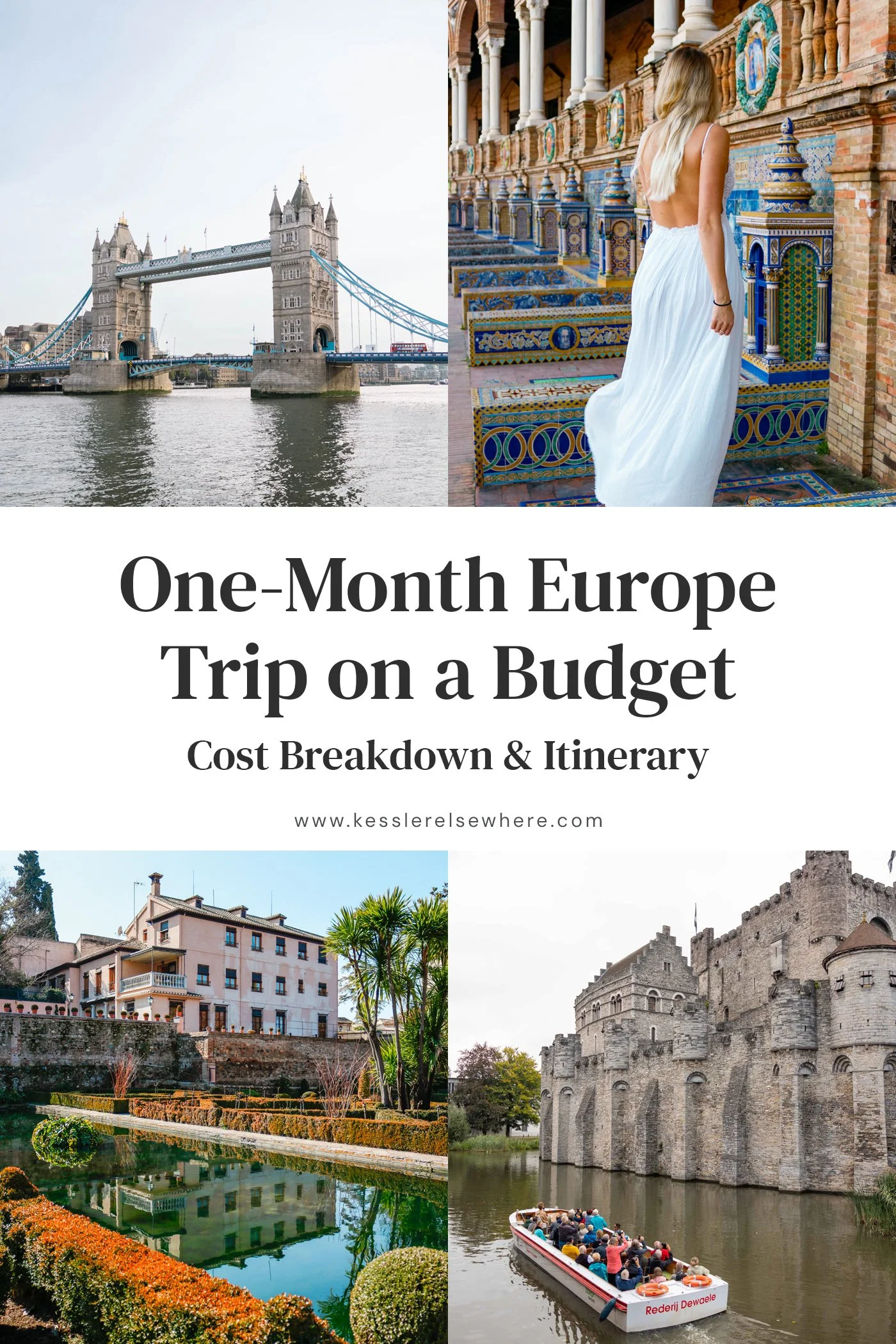

How Much Does a One-Month Europe Trip Cost?
A one-month trip to Europe can cost $3,000–$12,000 in 2026, depending on your travel style.
If you’re traveling on a budget, low-cost stays and cheap meals will save you thousands. Prefer a more luxurious trip? Nice hotels, activities, and meals out will rack up your bill quickly
Budget travelers: $100–150/day
Mid-range travelers: $200–300/day
Luxury travelers: $400–500+/day
These costs are estimated for a person traveling solo. If you travel with people who will split accommodation costs, that can reduce your daily cost.
Estimated total cost for 30 days in Europe:
Budget travelers: $3,000–5,000
Mid-range travelers: $6,000–9,000
Luxury travelers: $10,000+
There’s no cap for luxury travelers, as luxury has a major range. Some hotels cost $5,000 just for one night, single Michelin-star meals have $1,000+ bills… You get the picture.
For budget travelers, there are ways to lower the total estimated cost. These include staying in hostels, not eating out, skipping tours and entrance fees, eating cheaply, and opting for long bus rides instead of trains/planes.
I like to say I’m a Goldilocks traveler — nothing too budget, nothing too luxury. Somewhere in the just-right middle.
We saved quite a lot on our trip by staying with my friend in London and my husband’s parents in Belgium. Of course, most people likely don’t have free places to stay in Europe (if you do, definitely take that opportunity).
Just for shock-value numbers of the past, our 2019 one-month Europe trip cost me about $1,800. Sure, it may be doable today. But these numbers were due to the much lower cost of flights and accommodations.
Ah, how times have changed.
One-Month Europe Trip Cost Breakdown
Alright, let’s break these numbers down even further. Seeing them spelled out like this can help you find which areas you can save more on and which areas you may want to spend more.
Some of my favorite financial advice comes from Ramit Sethi: "Spend extravagantly on the things you love, and cut costs mercilessly on the things you don't."
I apply this to travel often. Going with cheap options for things I don’t care about as much, and spending more on things that are important to me.
When booking a major trip like this, budgeting is an inevitable part of it. Unless you’re dripping in cash, in which case, good for you!
Traveling on a budget doesn’t have to be about cutting costs everywhere until the trip is unenjoyable. I love a good meal out, but it’s not as important to me as pleasant accommodations in a convenient location.
Find what matters to you—and what doesn’t—and plan your budget accordingly.
Transportation Costs
These costs are estimated and averaged based on rates as of April 2026. Unfortunately, the airline industry changes prices frequently and dramatically.
You can get the Going app to track flight prices and find the cheapest fares for you.
Estimated transportation cost per person:
Flight to/from Europe: $600–1,800
Flights within Europe: $100–120
Trains/Buses: $300–350
Taxi/Uber: $50–150
Additional costs (e.g., public transportation): $25–50
↳Average transportation costs: ~$15–25 per person/day + flight costs to/from Europe
Accommodation Costs
These are the average costs of well-reviewed stays in central locations on the lower end of the price range.
Cheap apartments or shared-room hostels further from the city center will save you some money.
If you’re looking at upper mid-range and luxury accommodations, these price ranges will be much higher than the ones I’ve listed below.
Average cost by location:
London: $100–300/night
Belgium: $130–150/night
Paris: $250–300/night
Barcelona: $100–250/night
Seville: $130–180/night
Granada: $125–150/night
Córdoba: $100–150/night
Madrid: $250–300/night
↳Average accommodation costs: $150–250/night
Note: Prices do not include VAT or city tax, which can add 10–15% to the nightly rate depending on location.

Food Costs
I have not estimated more precise costs for food since every traveler is so different. These are a few extremely general costs to help guide you, not exact numbers.
Lower-end: If you think you can eat super cheap without daily coffee, snacks, etc., at around $10 per person/day, then estimated costs would be about $300/person for the month.
Mid-range: Think you’ll go out to eat at least once a day, get daily coffee/tea, and buy a pastry here and there? Costs may then be around $35–40 per person/day, around $1,000–1,200/person for the month.
High-end: For a more luxurious trip with eating out every meal (let’s say 2x per day for lunch/dinner), daily coffee and small breakfast, maybe a few fancy meals out, food costs could around $65–100 per person/day or $2,000–3,000/person for the month.
Everyone spends wildly different amounts on food costs when they travel. Below are a few things to keep in mind as you create your own budget.
Restaurants: Costs for a meal vary between cities, with Paris having some of the highest prices of the destinations on this list. To estimate restaurant costs for your budget, view the menus of restaurants in each city (can be found in Google reviews or on the restaurant’s website.
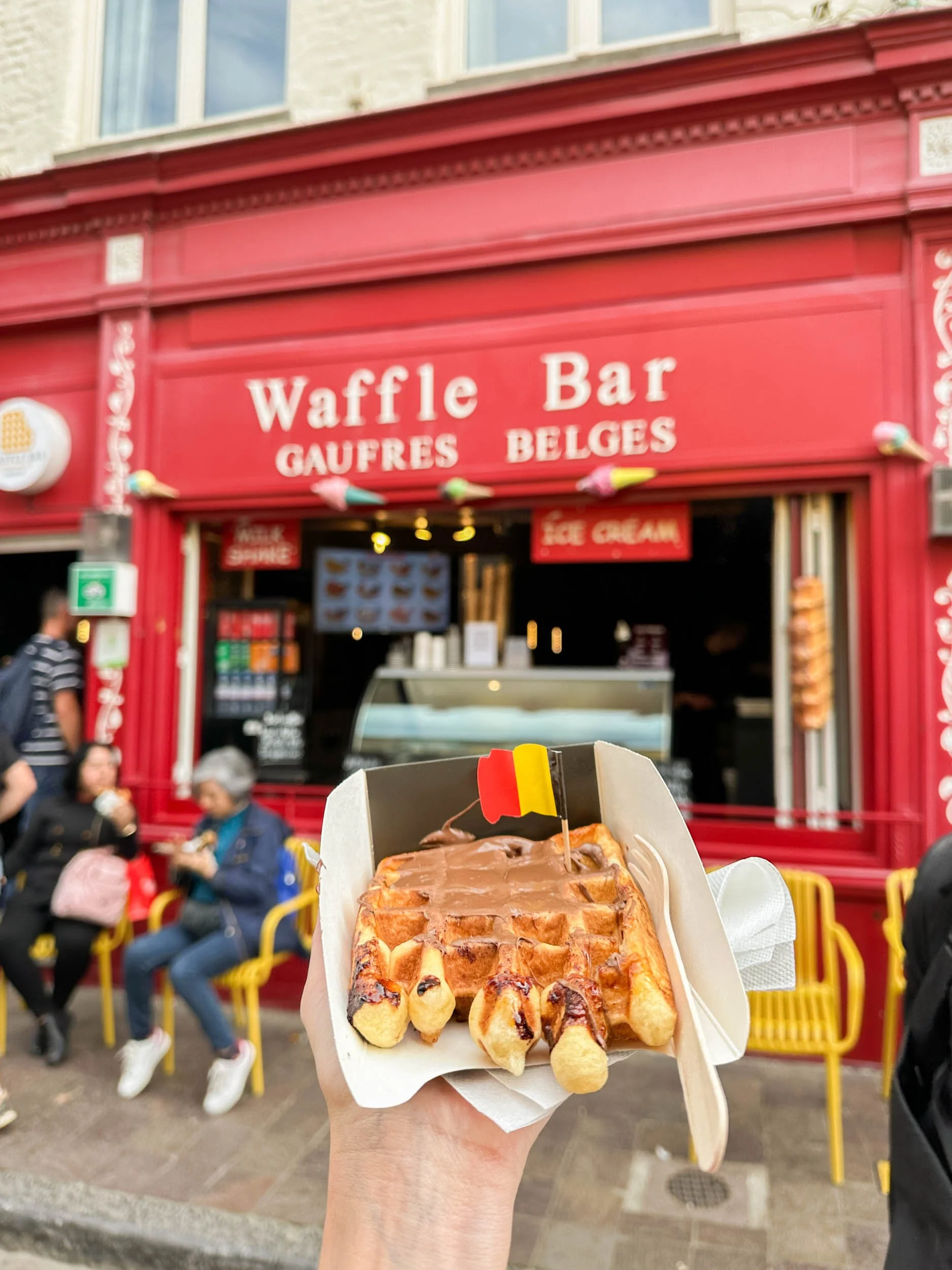
Grocery store: A great way to save money is to buy food from the grocery store (supermarket) and cooking at your accommodation if you can. We lived off of fresh baguettes, mozzarella, and tomato for most of our trip!
Coffee: Need a daily pick-me-up? Make sure to factor your morning coffee into the budget.
Snacks: Street food, morning pastries, post-lunch gelato, etc., are all things to think about when budgeting for your month in Europe.
↳Average food costs: $15–30 per person/day

Activity Costs
Even on a tight budget, you will likely spend some amount of money on activities. What’s a trip without a museum visit or tour?
While some museums are free, others can cost anywhere between $15–50+ per person.
Activities like palace tours, food tours, walking tours, day trips, etc., can all add up quickly and widely vary in cost. Some can be $200–300/person while others are $50–100.
Let’s break down some of the potential costs of activities:
Low-end: If you don’t book any tours and only pay entry fees for 2–3 museums/self-guided tours, the average cost can be around $50–60/person for the month.
Mid-range: Maybe you want to book 1–2 lower-priced activities (like a walking tour) and visit 5–6 museums/palaces/etc, then your average cost would be about $300–350/person for the month.
High-end: Go all out with a tour or two in each city (10–15 tours) and multiple museum/palace visits in each city (10–15 entry fees). Your average cost could be as high as $1,500–$2,000/person for the month.
↳Average activity cost: $10–50 per person/day
Hidden Costs
Once you have somewhat solid numbers for your trip, I recommend adding another 25–50% on top of that. This ensures you have a budget for “hidden costs.”
These are things that you don’t necessarily think about when planning your trip, but will inevitably pop up.
They include, but are not limited to:
Tips — U.S. tipping culture has seeped into some places across Europe)
Tax/VAT — Additional fees on top of hotel costs, transportation, etc.
Lost/forgotten items — Have some extra cash in the budget for buying things you accidentally forgot at home or lost.
Packing (bags, clothes, travel items) — Planning to get some new clothes for your Europe trip? Maybe you need some new luggage or packing cubes to squish down all your stuff for a carry-on.
Flight delays — If you need to change your flight, miss a flight (or train), or get so delayed you need to book a stay for the night, you’ll want some extra budget just in case.
Upgrades — Sometimes, at the end of a long trip, you just want to be comfortable. If you can, it’s nice to have a bit of extra room in the budget for a flight upgrade. Or if you book a budget flight, seat selection and luggage cost extra.
Souvenirs — It’s nice to be able to get yourself a unique souvenir or bring home small gifts for friends and family.
Visas/tourist fees —You may need a Visa, depending on the country you’re traveling from and the destinations you’re planning to visit. Some cities also charge additional tourist fees that you must pay.
1-Month Europe Itinerary: UK, Belgium, France, & Spain
The first time I spent a month in Europe, we visited nine cities across four countries. These were London, Ghent, Bruges, Paris, Barcelona, Seville, Granada, Cordoba, and Madrid.
I loved the itinerary and route we planned, and it worked well for us. However, there are some adjustments I would make in hindsight. Most of these adjustments are the length of time we spend in each city.
The itinerary I’ve created for you is based on my original one, but slightly altered to be even better.
You can follow this exact one-month Europe trip itinerary or use it as a guide and customize it to fit your preferences.
Recommended Route Overview
Below is the recommended order of destinations and the number of nights to spend in each one.
I started in London since there are direct flights from San Francisco. You may want to start in Madrid and follow the itinerary in reverse if there are better flights to Madrid from where you live.
My recommended itinerary:
London: 3–4 nights
Belgium: 2–3 nights
Paris: 2–4 nights
Barcelona: 3–4 nights
Seville: 3–4 nights
Granada: 2–3 nights
Córdoba: 2–3 nights
Madrid: 2–3 nights

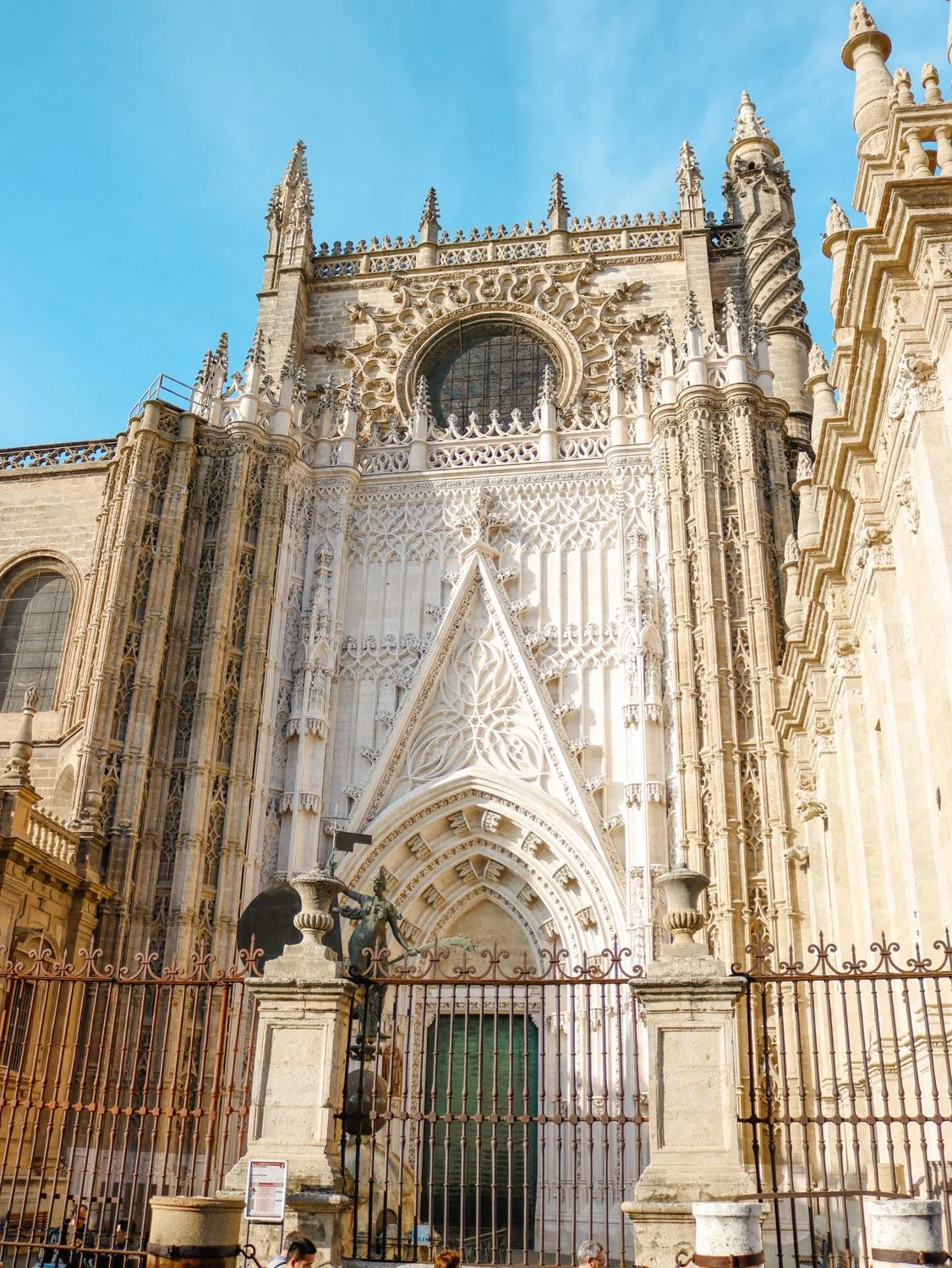
London, United Kingdom
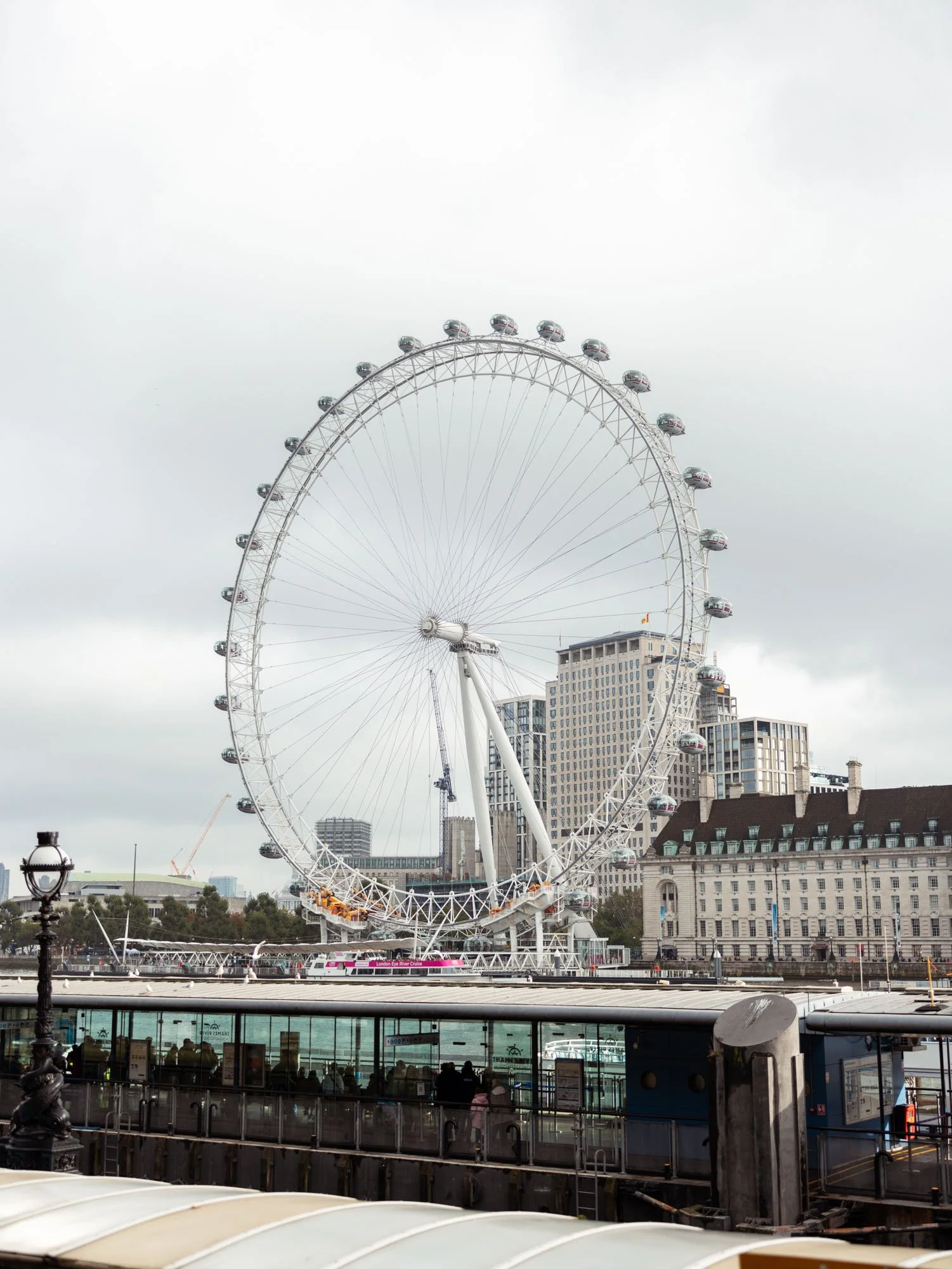
London is one of the cities I keep going back to, despite the many places I’ve yet to visit. The charming streets, seamless public transport, and abundance of museums make it easy to fill my days there.
I have flown into London directly from San Francisco multiple times. It’s my preferred spot to start Europe trips.
The city is large, but it’s easy to hop around on the tube or buses. You can spend your days popping from museum to museum (many are free!), relaxing in the various parks and gardens, or visiting all the different pubs and restaurants.
If you’ve never been before, then start with my London Travel Guide for First-Time Visitors once you start the trip planning process. It covers everything you need to know before visiting, plus it has a full list of things to do in London.
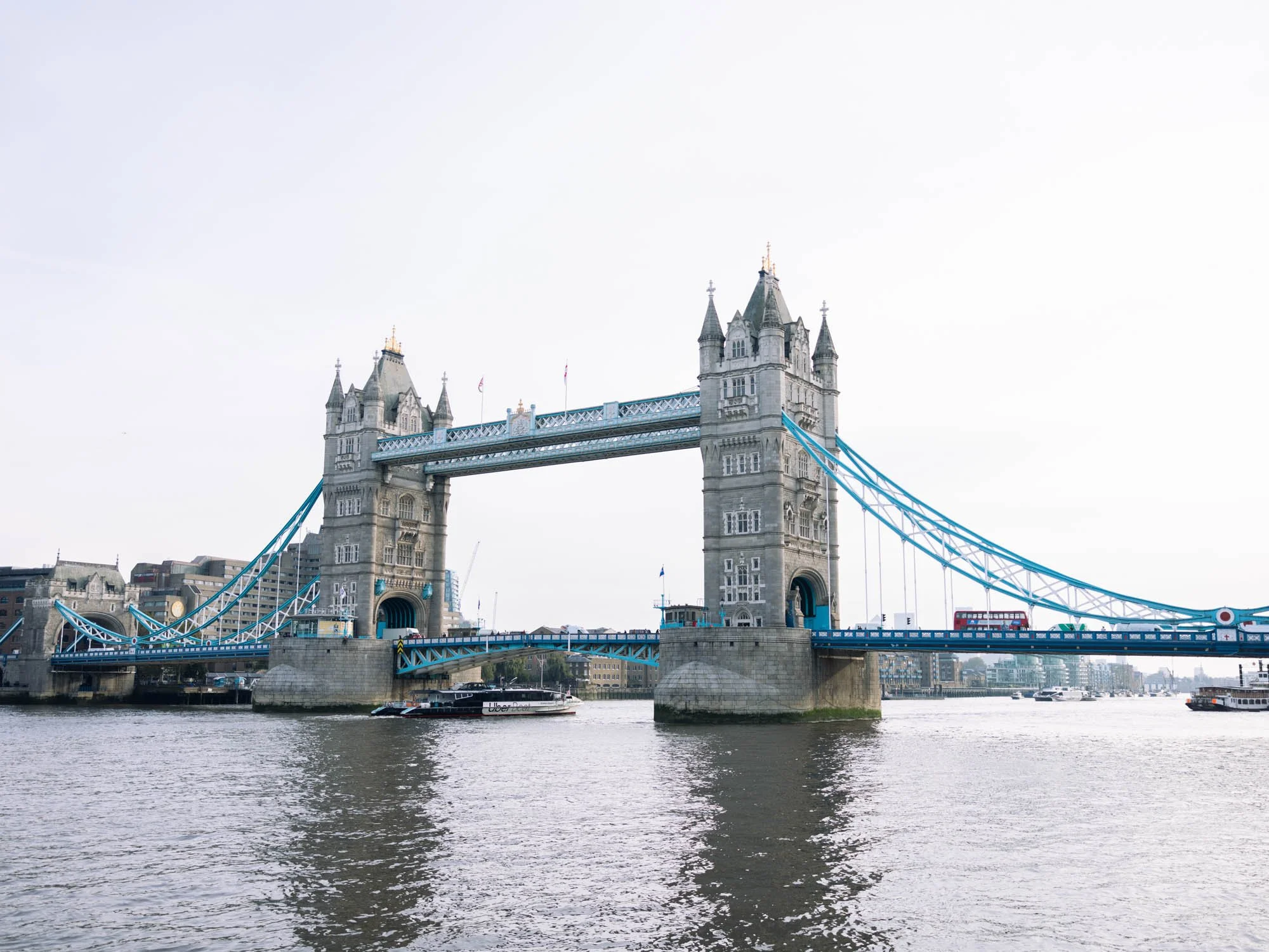
How to Get to London
Unless you’re visiting from another nearby country, you will probably fly into London. If you’re traveling from the U.S. like me, there are direct flights from many airports.
I’m lucky to have a few international airports near me in the San Francisco Bay Area. When searching for flights, I recommend checking all nearby airports (if you have multiple) to see which ones have the cheapest flights for your travel dates.
I use Google Flights to find the best and cheapest flights.
London has six major airports spread throughout the city: Heathrow Airport, Gatwick Airport, Luton Airport, Stansted Airport, London City Airport, and Southend Airport.
Heathrow and Gatwick are the two largest airports in London. I’ve flown in and out of both airports from California.
I prefer Heathrow as it’s one of the closest international airports to the city center and flights are typically cheapest to Heathrow. Gatwick is more spread out than Heathrow, which can make it difficult to get from one gate to another.
Flight prices range dramatically depending on the time of year you’re traveling, the time of booking, and your departure airport.
↳One-way flight to London (on average):
$300–500/person from Vancouver and Toronto, Canada
$300–500/person from New York, NY
$400–600/person from San Francisco or Los Angeles, CA
$500–700/person from Dallas, TX
$500–700/person from Sydney and Melbourne, Australia
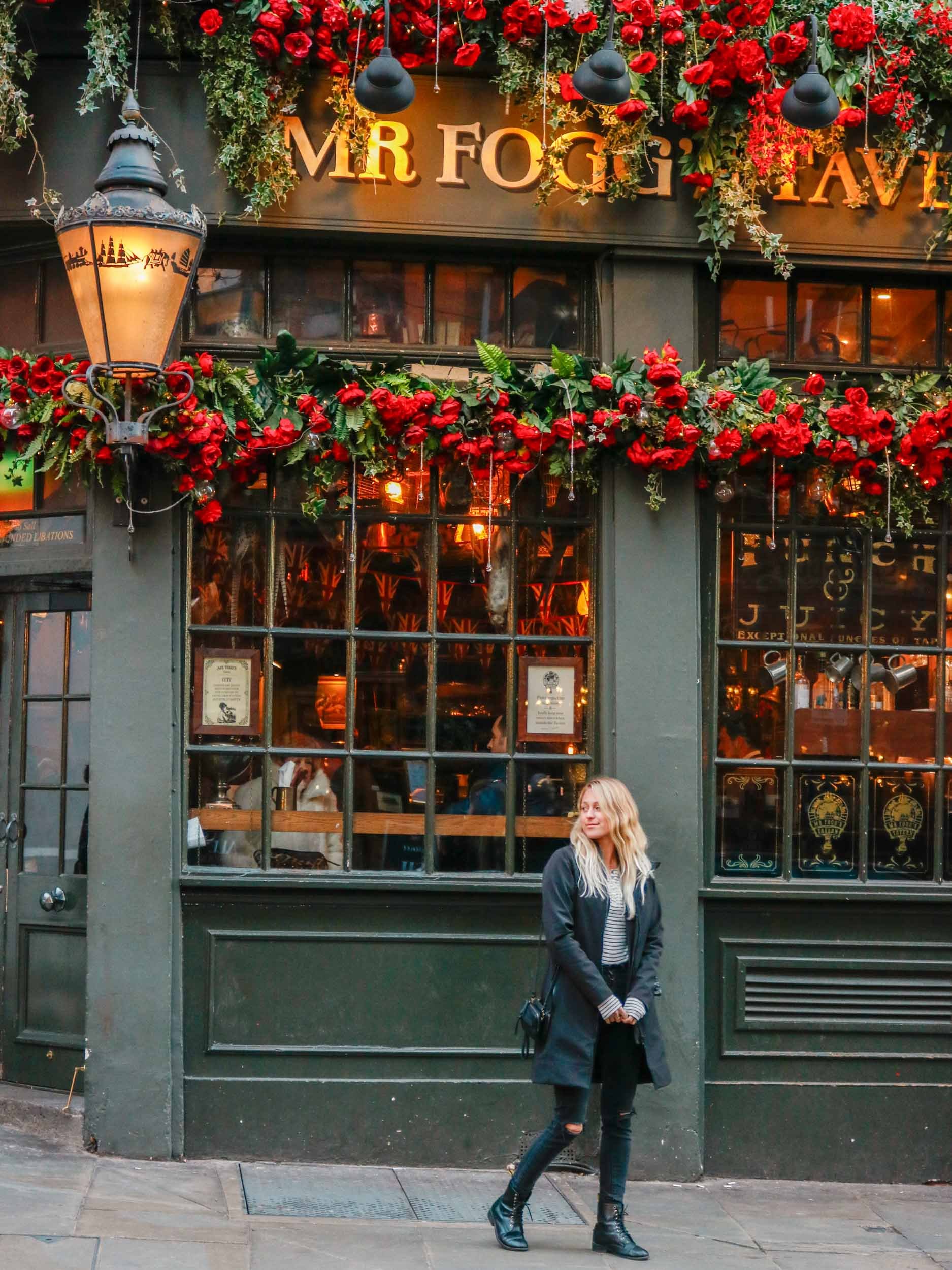
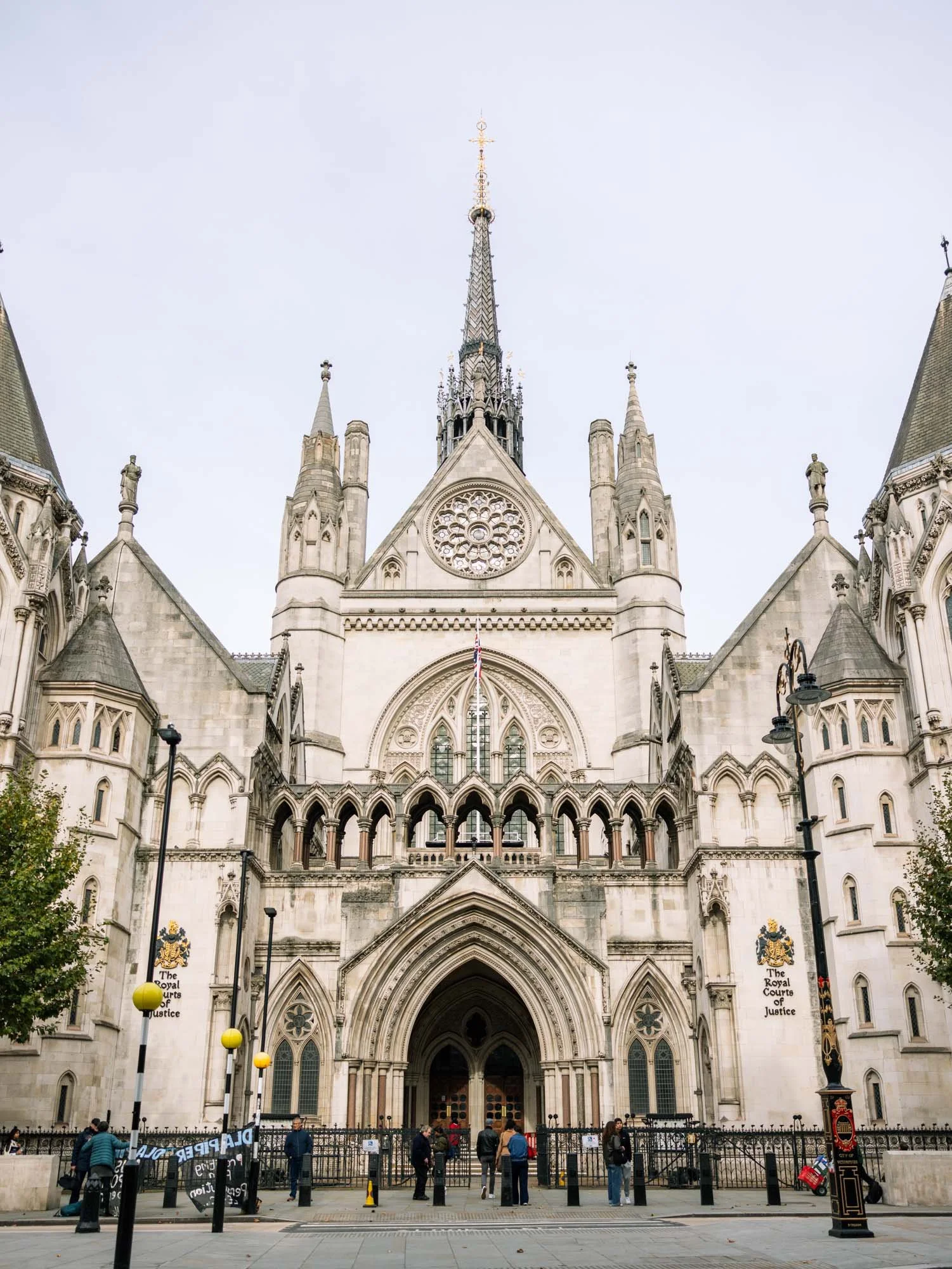
How Long to Stay in London
I’ve visited London a handful of times, staying for 3–5 nights each visit. If you’re visiting for the first time, I recommend spending four nights to hit all the main spots.
This will give you enough time to see the major sights, visit some museums, and freely explore the city. You can get my 4-Day London Itinerary to help you plan this leg of your Europe trip.
Visiting London for the first time? Then my detailed London Travel Guide for First-Time Visitors will be helpful for you.
Where to Stay in London
During my first couple of visits to London, I stayed with a friend who lives in the city. On a recent trip, I booked a lovely flat in South Kensington and loved it.
Some of my favorite areas to stay in London:
Kensington: Trendy, somewhat upscale, has tons of restaurants and coffee shops, has multiple tube stations, and feels incredibly safe.
Covent Garden: An upscale neighborhood with no shortage of things to do and places to eat. It’s centrally located with plenty of tube stations to hop between London neighborhoods.
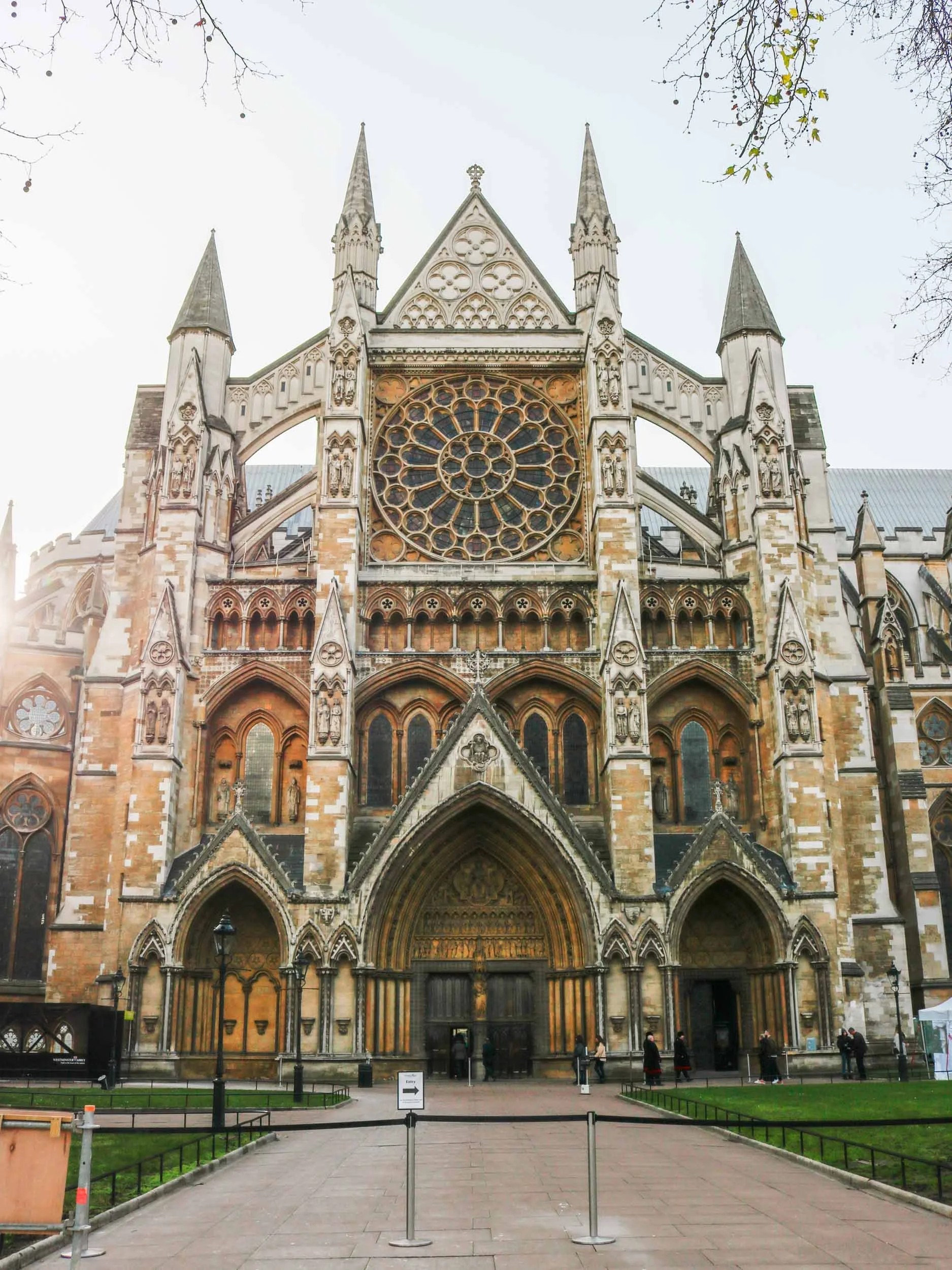
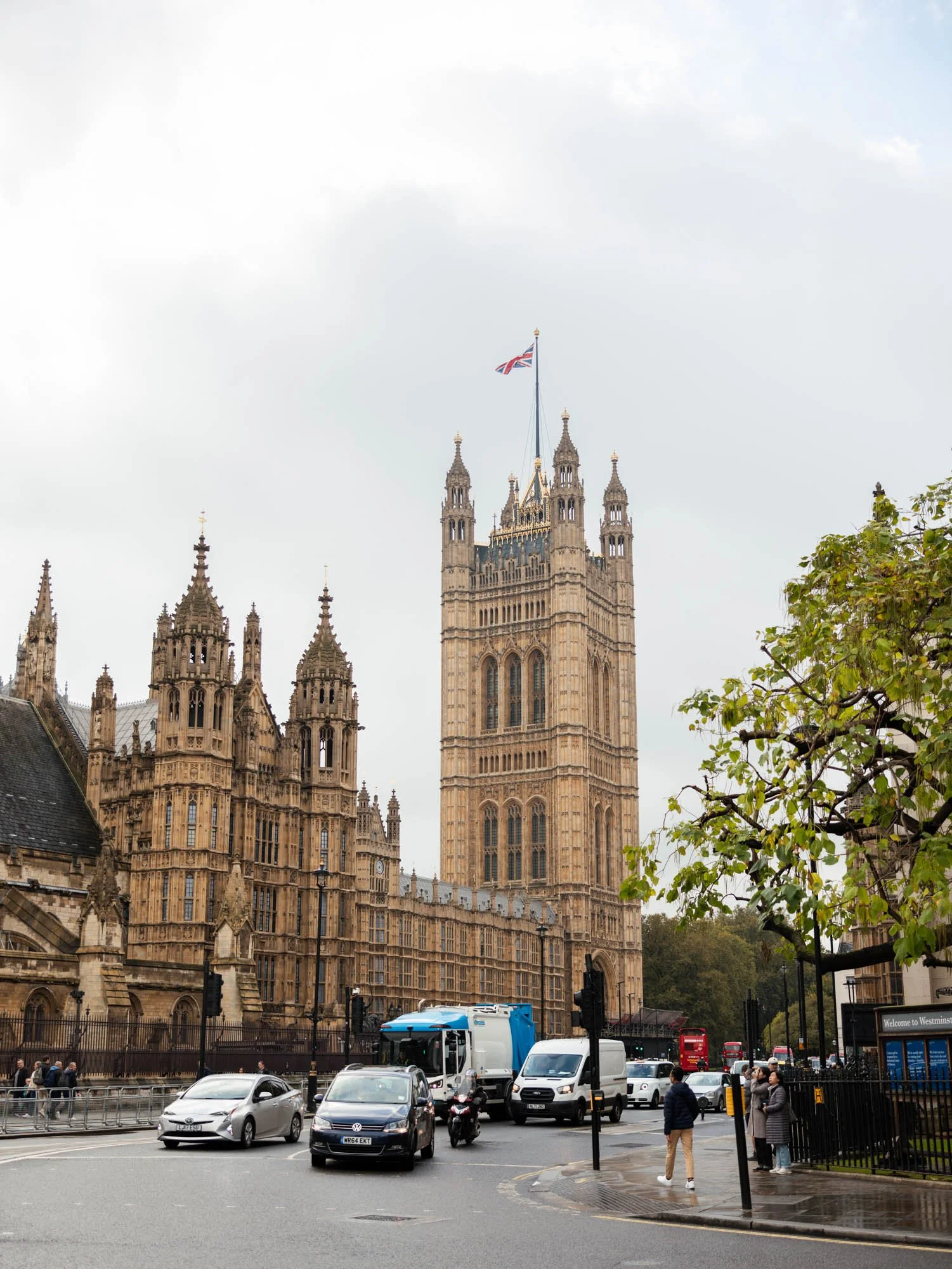
Westminster: Home to some of London’s biggest icons, including Big Ben, Westminster Abbey, and Buckingham Palace.
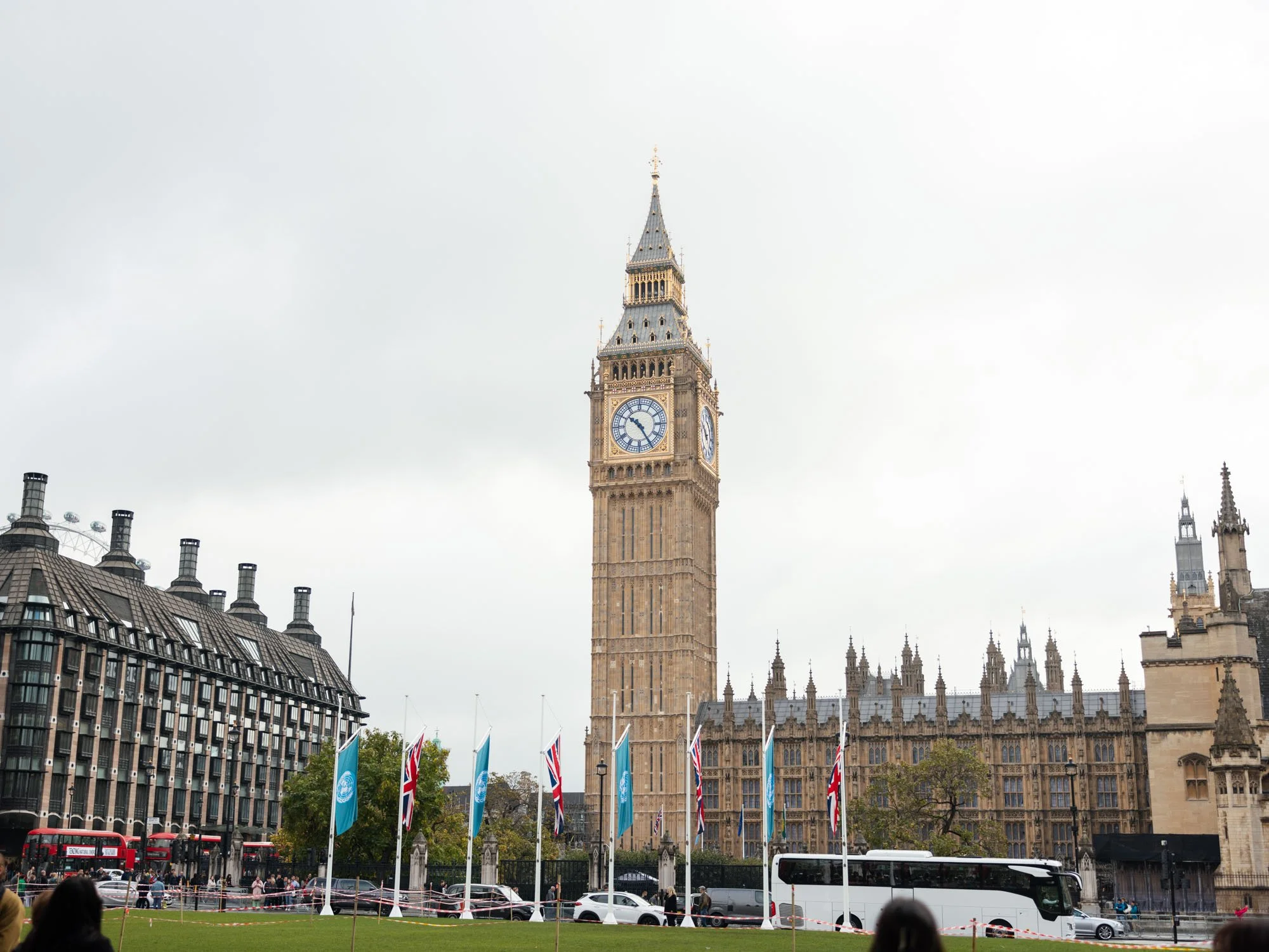
London is an expensive city. Most places run $200–300 per night on average for mid-range accommodations.
Truly budget accommodations are hostels or apartments far outside the city center. As someone who likes something between luxury and ultra-budget, hostels aren’t my thing.
If you are open to hostels, then that’s your best budget option. Some are even as low as $30 per bed/night!
More budget-friendly options that are private and decently rated:
Cozy Corner SE17 Studio — $90/night
King Azim Court — $110/night
Get my in-depth guide on Where to Stay in London for a more detailed overview of each neighborhood and its accommodation options.
↳London accommodations: $100–300/night (for non-hostel stays)
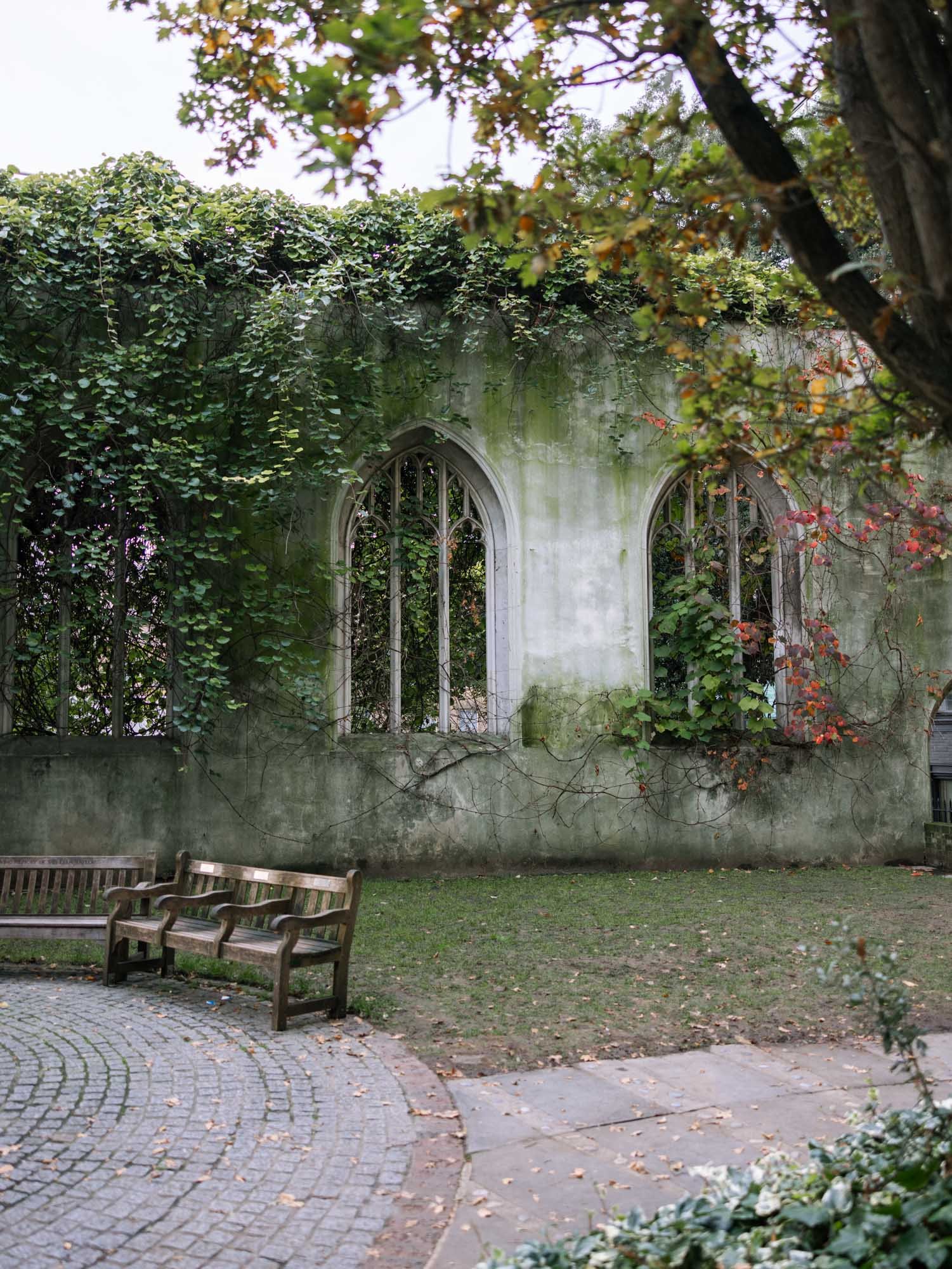

Ghent & Bruges, Belgium
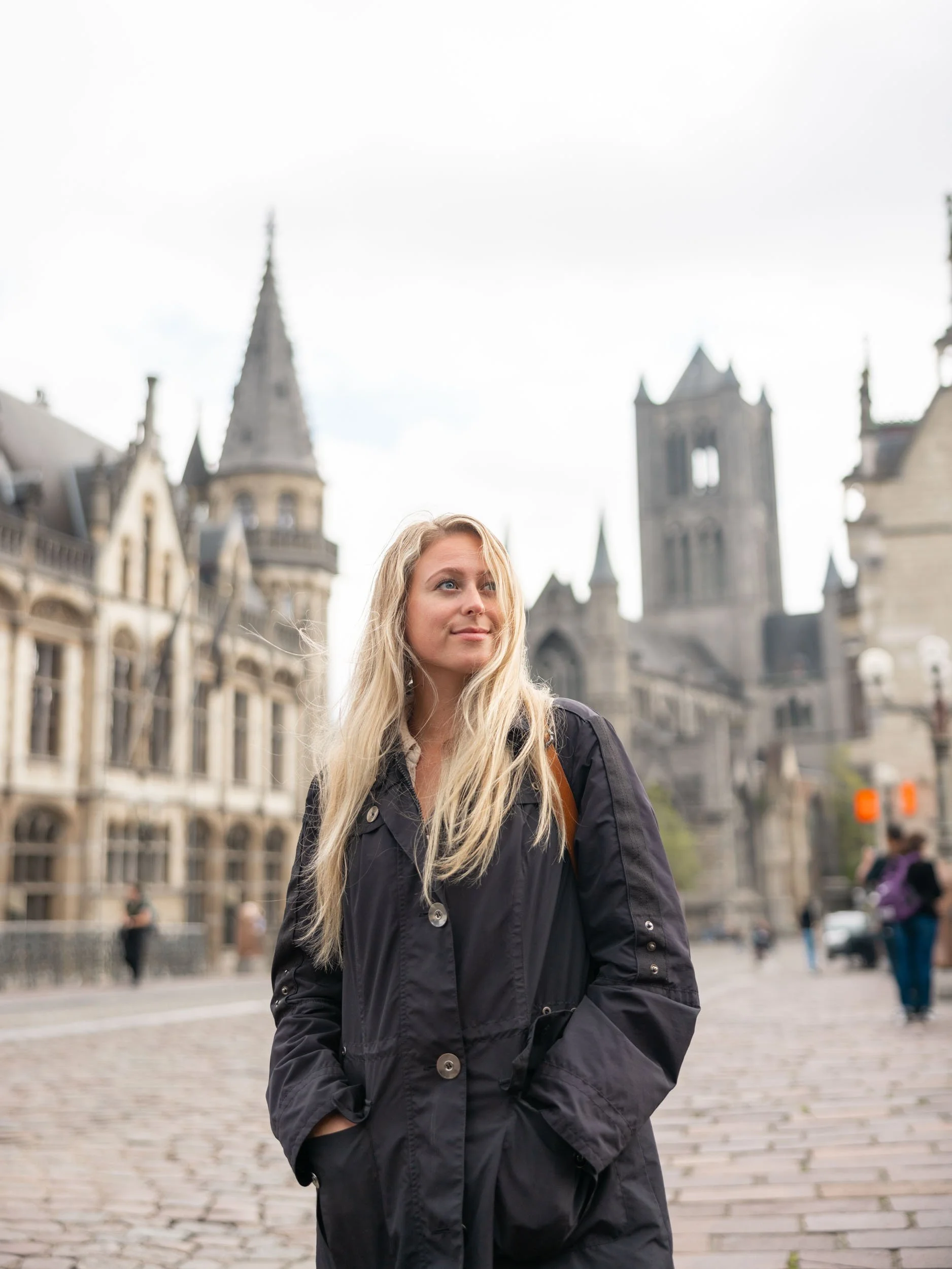
My husband is from Belgium (Ghent, specifically), so I’ve been there with him a few times. We tend to stop here when we’re in Europe to visit his parents. But I always make him play tourist with me as we explore Ghent and Bruges.
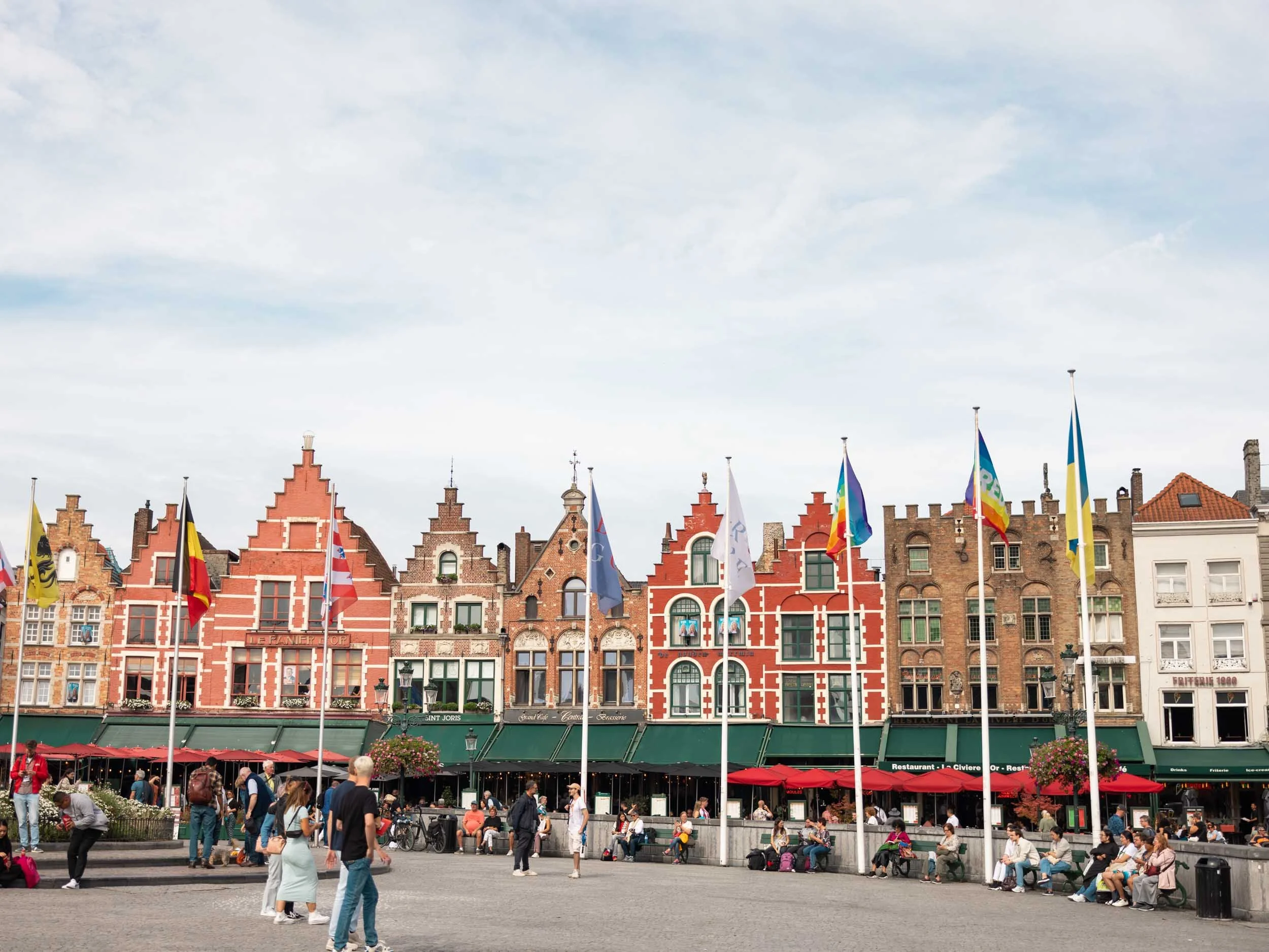
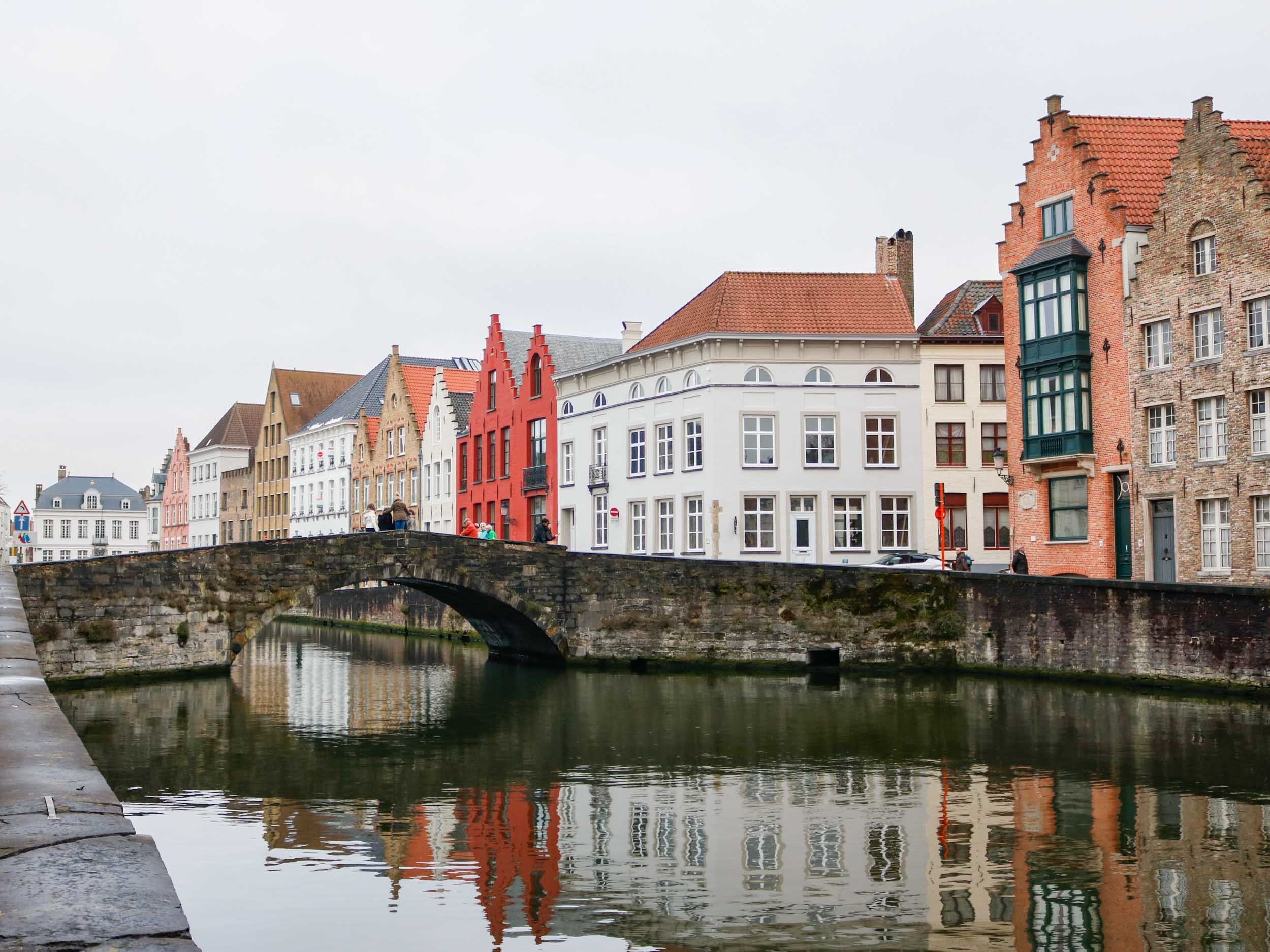
Ghent is my favorite city of the two, as it doesn’t cater to tourists as much and has fewer crowds than Bruges. There are chocolate shops, canals, medieval architecture, and plenty of spots to get some fries, beer, or waffles.
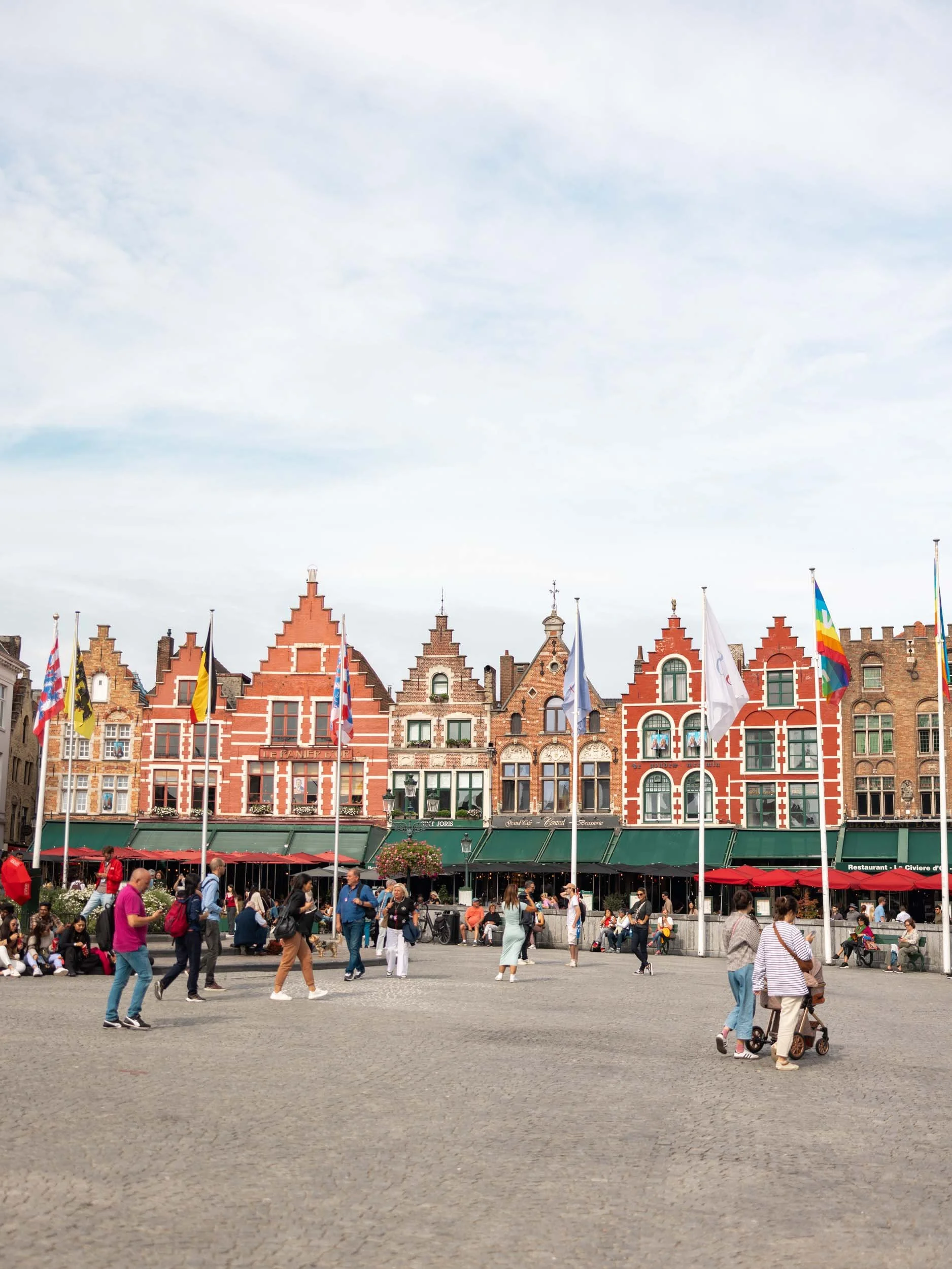
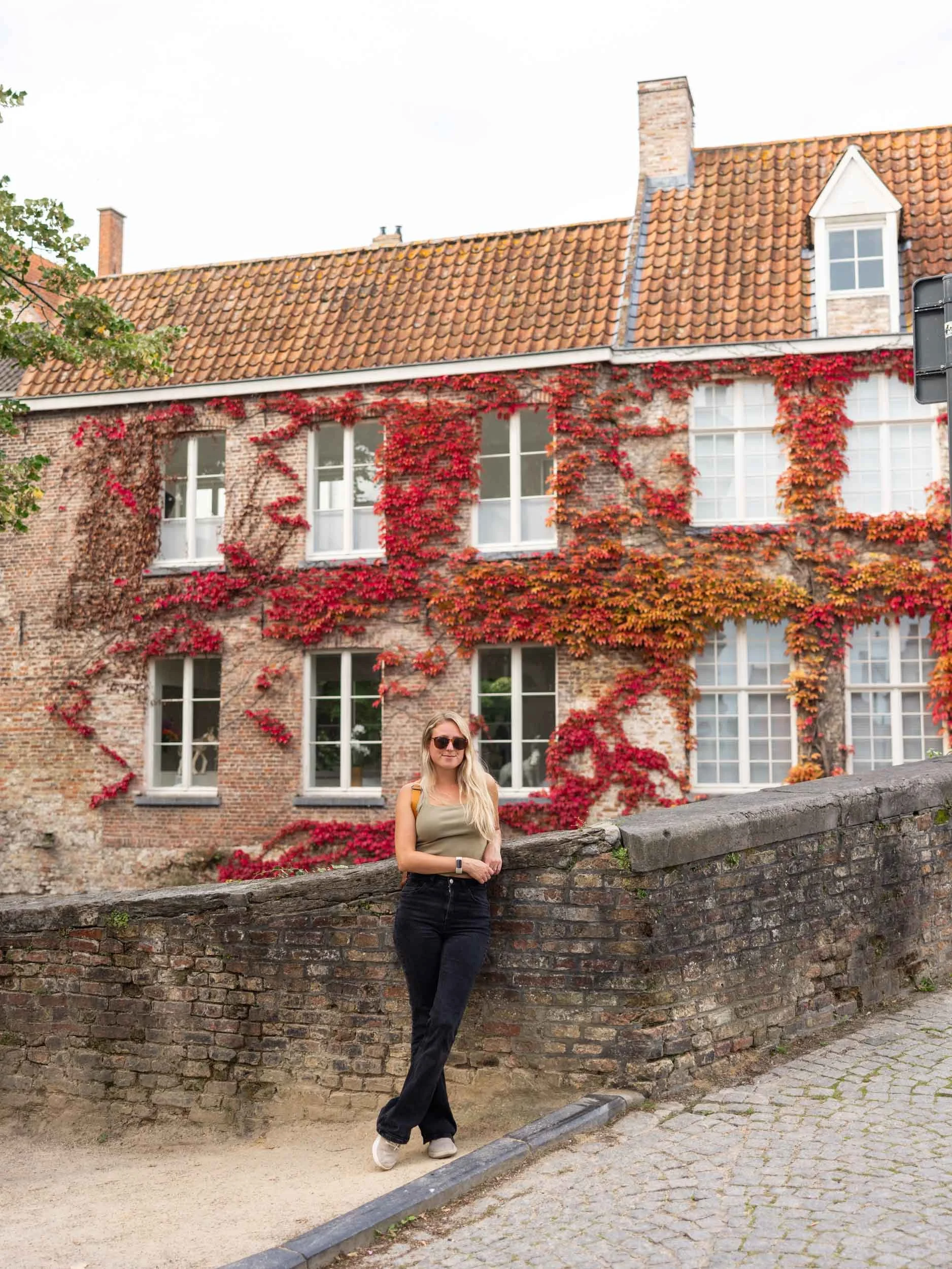
Bruges is a true fairytale city! Like Ghent, it also has magnificent medieval architecture and canals. Overtourism has become more of an issue in Bruges, so expect crowds.
Brussels and Antwerp are two other major cities in Belgium that you may want to visit. I didn’t include them in this itinerary, as I didn’t visit them on our month-long Europe trip.
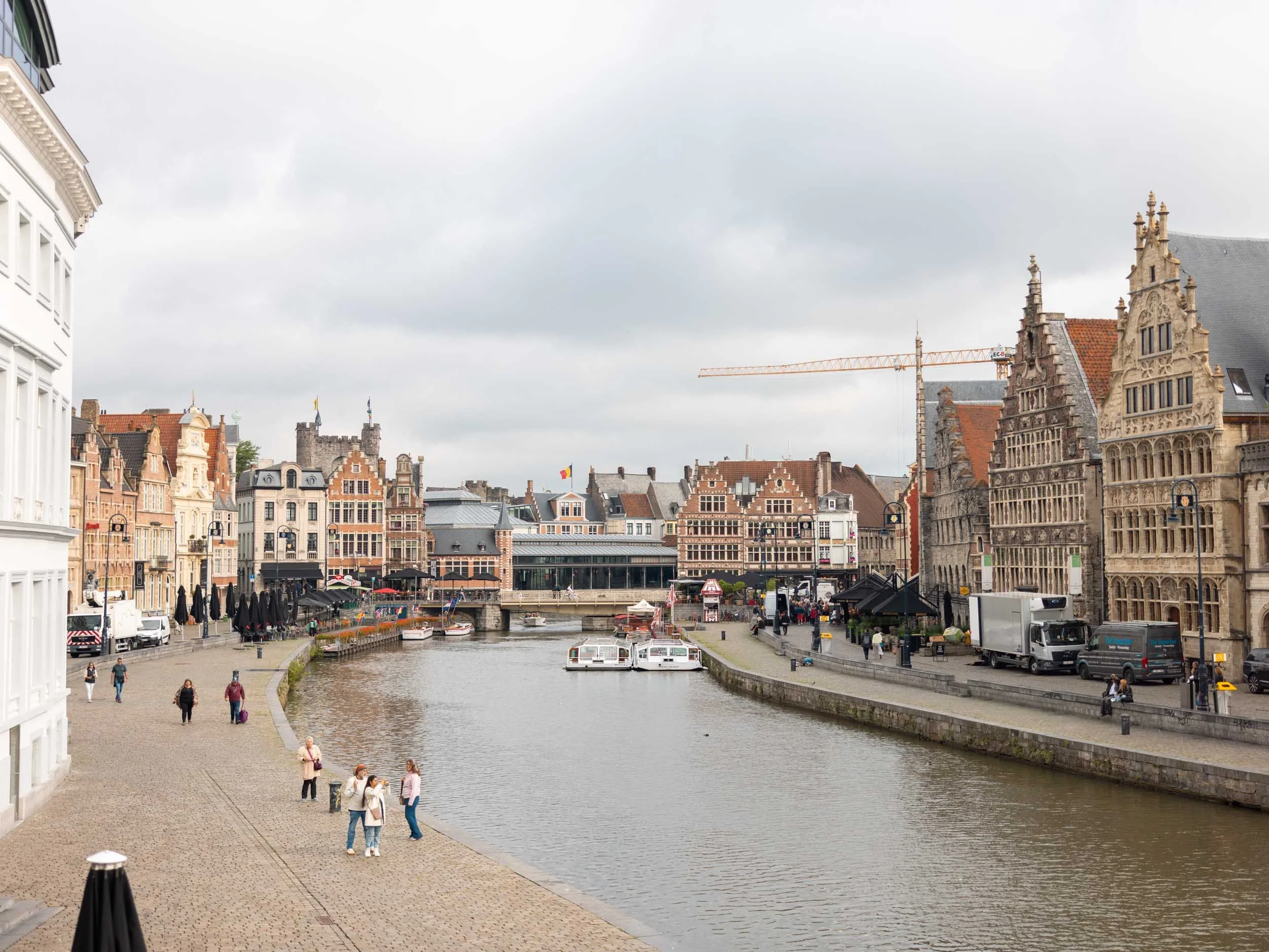
Graslei & Korenlei in Ghent
How to Get to Belgium
The cheapest way to get from London to Brussels is by bus. However, it’s a 7+ hour bus ride. When traveling on a budget, you need to keep in mind the value of your time, too.
A bus vs. train can save about $75 per person, but it’ll cost you about one day of your trip.
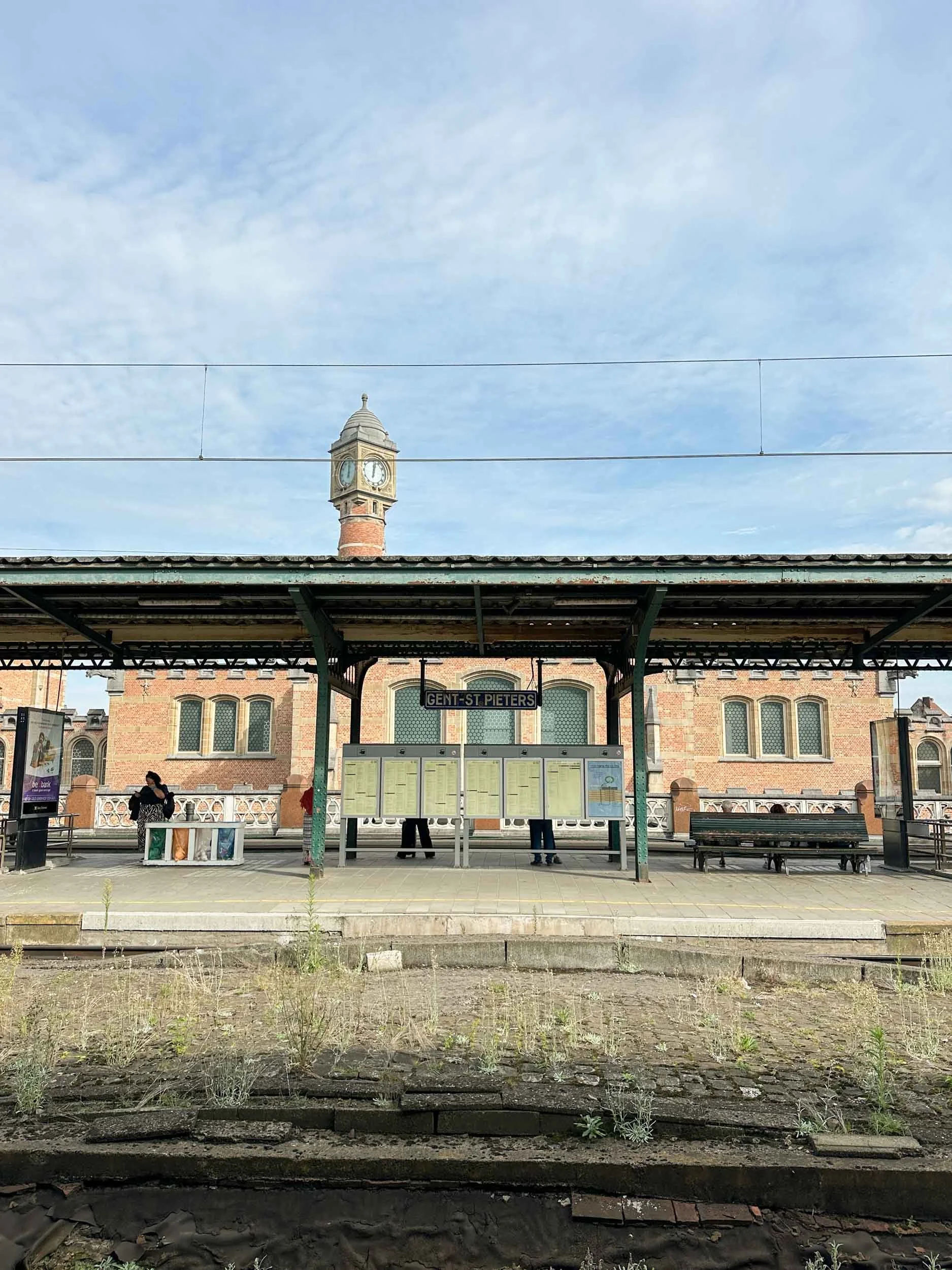
We opted to book the train and save about five hours of travel time. The train station is a nice place to hang out while you wait for your train. We actually missed our train due to heavy traffic and spent a couple of hours at the London train station waiting for the next train.
Once you arrive in Brussels, you can take a train or bus to Ghent. I recommend the train for the fastest trip — the price difference is only a few dollars more.
↳London to Brussels train: ~$80–100/person
How Long to Stay in Belgium
There are three main cities in the Flemish region of Belgium that most people visit: Ghent, Bruges, and Brussels. Ghent is the smallest of the three and my favorite.
We stayed for three nights on our month-long Europe trip, but since we arrived at night and left the morning of our last day, we really only had two full days to explore.
Depending on what time you arrive/leave, three nights could easily be enough.
Since my husband is from Ghent, we’ve been back a few times to visit his parents. Four nights is the ideal length of time to stay in Belgium, giving you three days in Ghent and Bruges.
If you want to explore Brussels as well, you may want to tack on an extra night or two and stay here the first and last nights.
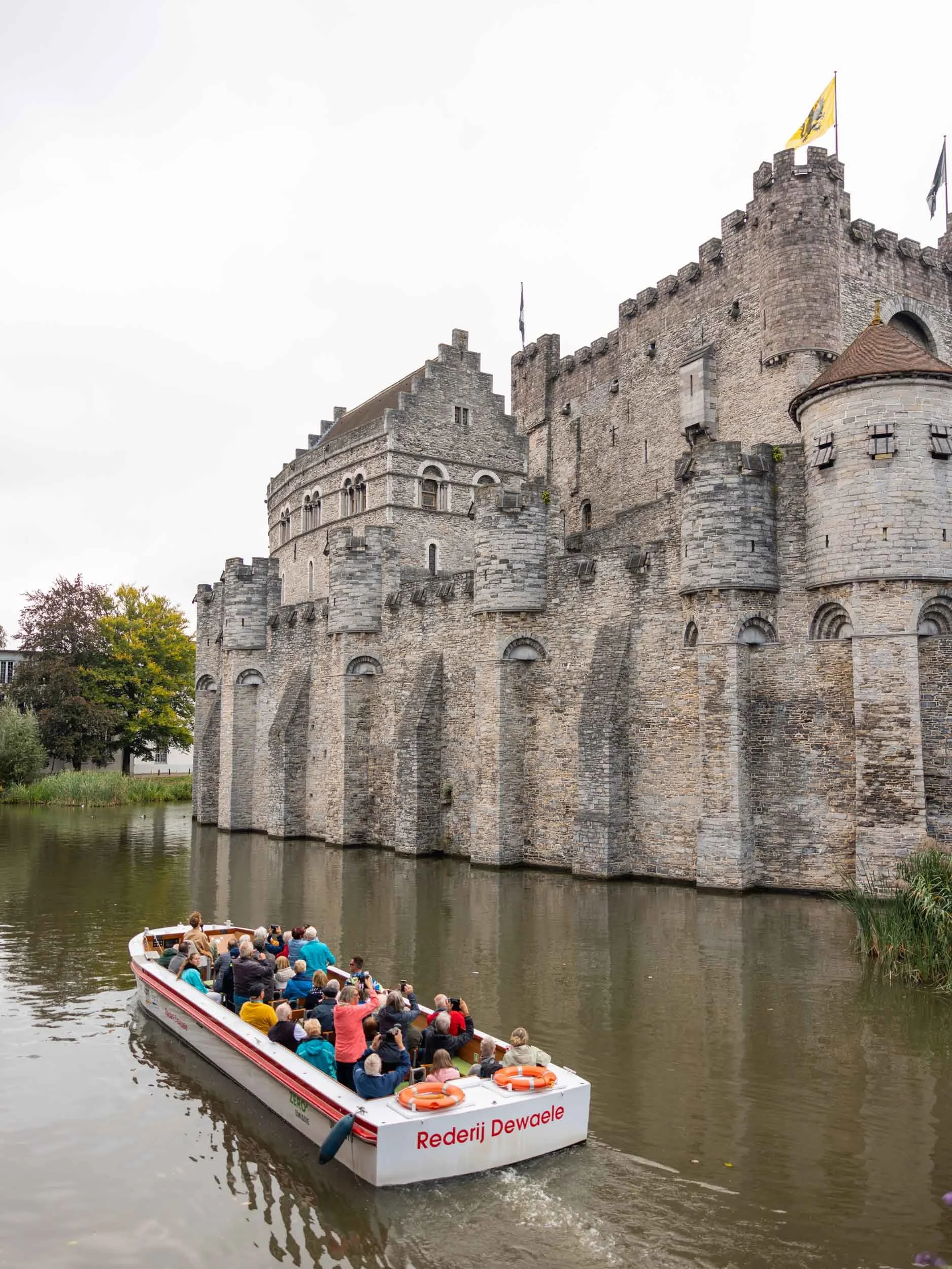
Where to Stay in Belgium
Between Ghent and Bruges, I would recommend staying in Ghent if you want fewer crowds. Though I always stay at my in-laws’ house, I’ve had my eye on the breathtaking 1898 The Post hotel in the medieval city center.
Bruges is incredible, though it gets overcrowded due to its popularity. Ghent is my favorite of the two because it feels less touristy and easier to walk around without large crowds.
If you stay in Ghent, it’s easy to hop on a 30-40 minute train ride for a day trip to Bruges. That’s what we do!
While the 1898 The Post hotel is my top pick in Ghent, these are some more budget-friendly options:
Hostel Uppelink — $25–50 per bed/night
Edgar Guesthouse — $125–140/night
B&B HOTEL Gent Centrum — $130–200/night
Excellent Studio for Two in Central Ghent — $140–200/night
Hotel Gravensteen – $210–310/night
↳Belgium accommodations: ~$130–150/night (for non-hostel stays)
Paris, France
Of all the cities in this one-month Europe trip itinerary, Paris is one of the most expensive.
If you want to save money, you can skip Paris and choose a new destination or add more days to one of the others on this itinerary.
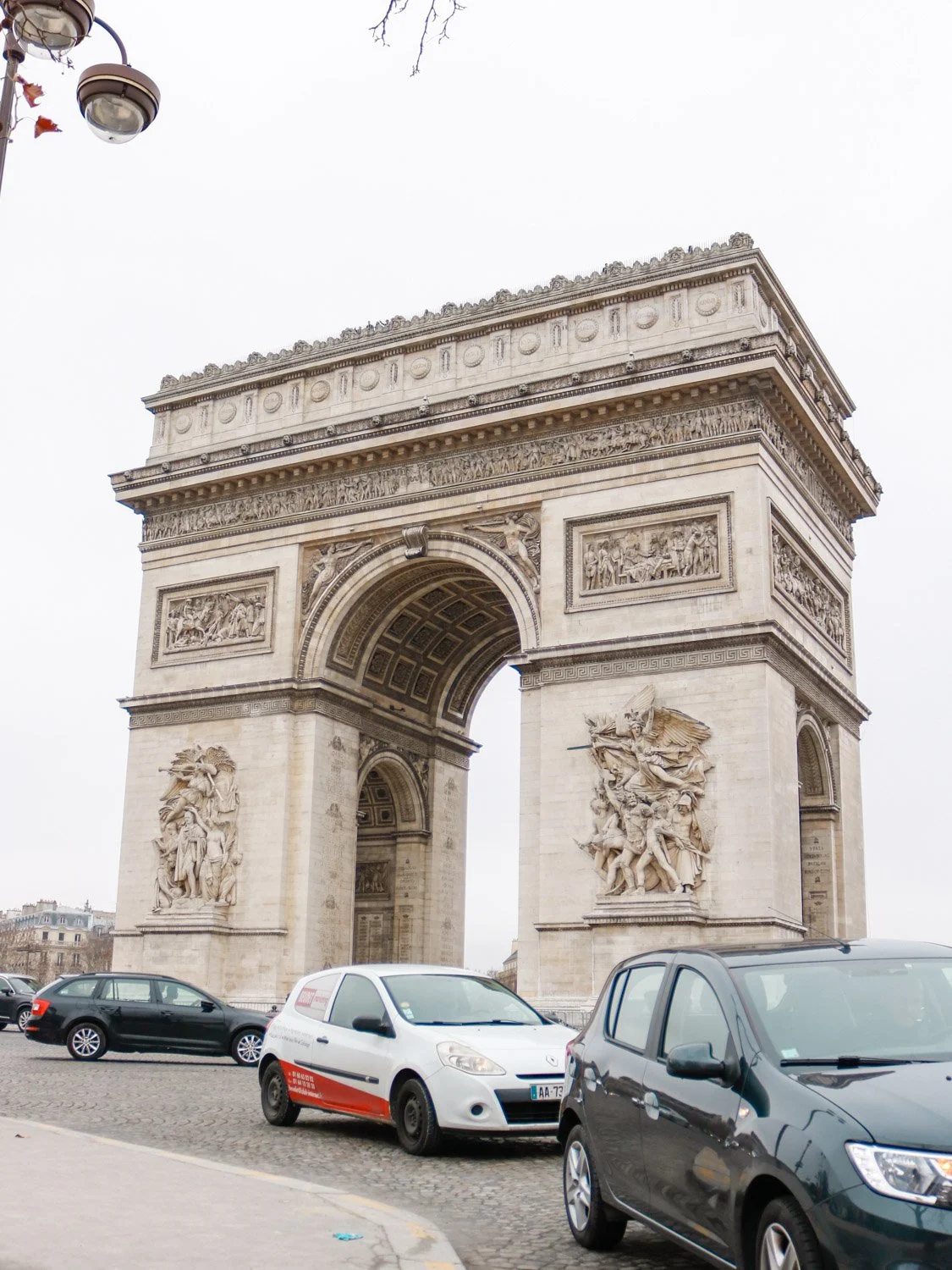
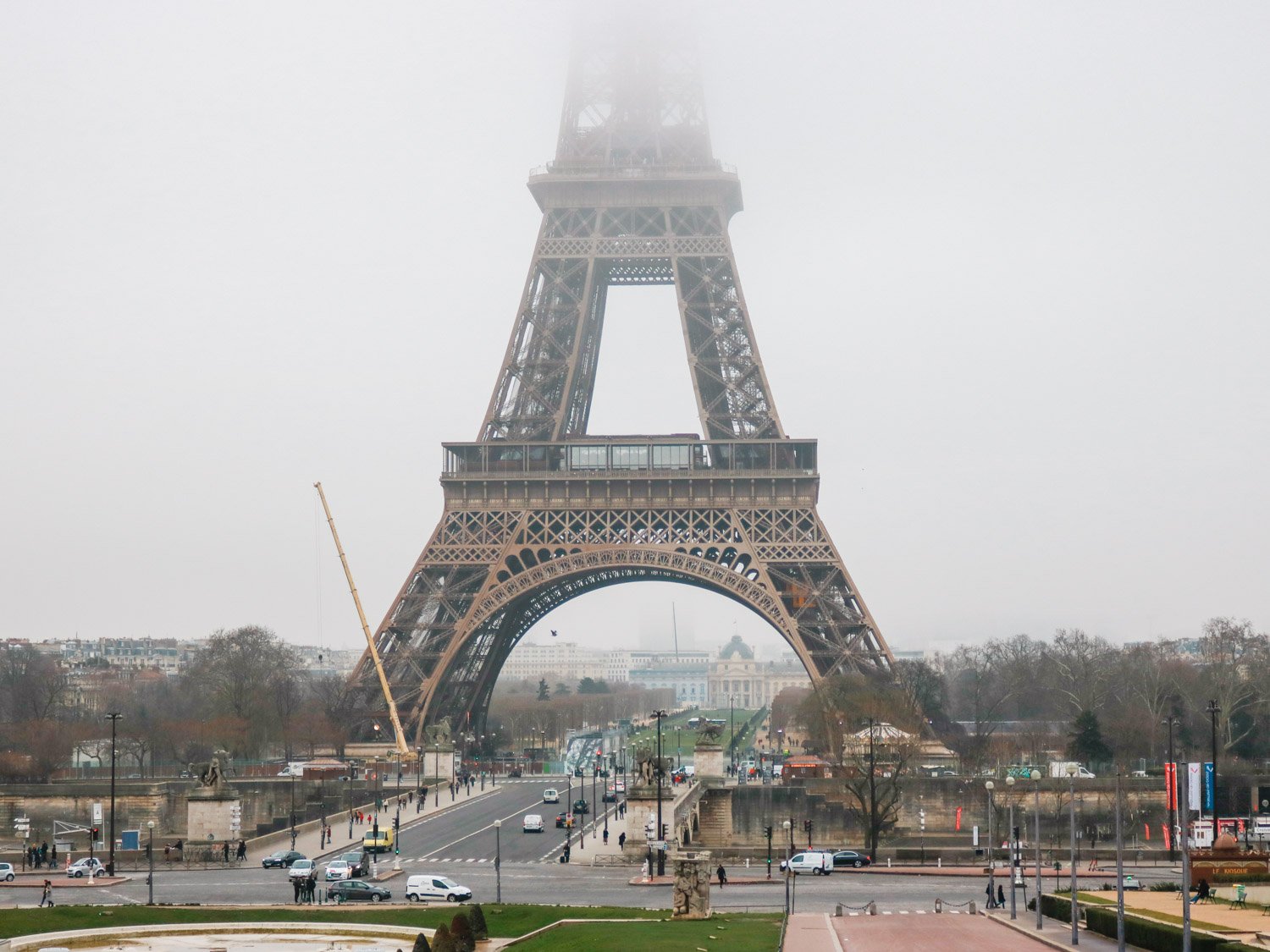
I didn’t have many expectations for Paris before visiting. This seems to be the ideal mindset to have to avoid disappointment. People tend to romanticize Paris because of how it’s portrayed in movies and TV shows.
Honestly, I loved it! The Eiffel Tower did not disappoint, the museums were some of the best I’ve experienced, and I found the streets charming.
If Paris is on your list, I recommend it — even just for a couple of days.

How to Get to Paris
From Ghent, we took a one-hour bus to the Bruxelles-Midi train station and took a train from Bruxelles-Midi to Paris Gare du Nord. The train ride was an easy, early morning 1.5-hour trip that was actually enjoyable.
I’d recommend taking the train from Ghent to Brussels instead. It takes half the time and only costs about $5–7 more.
We bought a public transport pass for $35 each, thinking we would use it often and save money, but we only used it a few times. If your accommodation is within walking distance of the train station, you can walk or just pay for an Uber/taxi.
All transit options:
Best: Take the train from Ghent to Brussels (instead of the bus), then take another train from Brussels to Paris — $140–160/person (2 hours)
Our route: Take a bus from Ghent to Brussels, then take a train from Brussels to Paris — $130–150/person (2.5 hours)
Cheapest: Take a bus from Ghent to Paris — $15–40/person (4–5 hours)
Flixbus: I’ve taken one of these in Belgium before, and it was an easy ride with WiFi.
BlaBlaCar Bus: Another long-haul bus company with similar pricing to Flixbus.
Tip: Watch out for scammers at the Paris train station. They come up and ask for your name and address — just tell them “no merci," and they should leave you alone. That’s what worked for me. Beware of your bags, as the person asking for your info could be a distraction for pick-pockets.
↳Ghent to Paris Bus: ~$15–40 USD per person
or
↳Ghent to Paris Trains: ~$130–160 USD per person

How Long to Stay in Paris
Four nights in Paris was an ideal length of time for this trip since we had many other places to visit in just one month. If Paris is one of the spots you’re most interested in, then stay four or five nights.
If you want to visit Paris, but also save money and leave time for other cities, stay for three nights.
There are also day trips you can do from Paris to get out of the city if you stay longer. Versailles, Giverny, and Disneyland Paris are all less than one hour from the city center of Paris via train or car.
Note: Our original plan was to stay in Giverny for a night after Paris, but we discovered the Monet Museum and Gardens are closed for five months out of the year. They are open from April 1 to November 1st.
Tip: Book a day trip tour that’s planned and arranged for you.
Where to Stay in Paris
There are 20 arrondissements (neighborhoods) that make up the center of Paris. We stayed in the 6th Arrondissement because it’s listed as one of the best neighborhoods to stay in across multiple guides.
The 6th arrondissement is central enough to walk to all the main sights, like the Eiffel Tower, the Louvre, Luxembourg Gardens, and Notre Dame. It’s a lovely neighborhood with classic Paris cafe-lined streets.
Accommodations are expensive in Paris. Even the tiny closet-turned-studio apartment that we stayed in was the highest cost/night of our trip and probably the worst accommodation of the trip.
Most of the ultra-budget options get less than ideal reviews. I’ve selected a few accommodations at the more budget-friendly end of the well-reviewed places.
Cosy Beautiful Studio Heart of Paris Saint-Germain — $150–180/night
Ruederennes (apartment) — $180/night
Hotel Michelet Odeon — $230–330/night
Grand Hotel des Balcons — $230–$330/night
Hotel Bonaparte — $260–300/night
↳Paris accommodation: ~$250 USD/night
Barcelona, Spain
When we arrived in Barcelona, it was the first time I had been to Spain. I was completely enthralled with this quirky, artful city, even though we only spent about 30 hours there.
As they speak Catalan in Barcelona, your Spanish won’t get you far (especially if it’s as sparse as mine). The locals were incredibly friendly to us, and we managed to communicate well enough to check into our hotel and order at restaurants.
The major attractions here are mostly architectural sights designed by the famous Catalan architect Antoni Gaudí. His style is organic, colorful, and inspired by nature and Islamic art.
Some of his works in Barcelona that you can’t miss are Park Güell, Casa Batllò, Sagrada Familia, and Casa Milà. We only purchased tickets to go inside Park Güell, but you can also go inside the buildings.
Barcelona is a beautiful city that has had increasingly severe issues with overtourism. If you do visit, be kind, considerate, and prepare for crowds.

How to Get to Barcelona
We flew via Vueling Airlines from Paris (Orly) to Barcelona (T1). This is a decent Spanish budget airline that’s perfectly comfortable for the less than two-hour flight.
Instead of hauling our luggage onto the train, we ordered an Uber to take us from our accommodation to the airport. This significantly cut down our time and stress, getting us to the airport quickly and on time.
Flight costs can range dramatically depending on when you book them. The one-way flight from Paris to Barcelona ranges between $18 and $120 without luggage.
On average, a flight costs about $75/person during the peak summer season and $50/person in the shoulder seasons. Luggage, including a carry-on, is an extra fee on budget airlines, which is not factored into these prices.
↳Paris to Barcelona flight: ~$65/person + carry-on fee
How Long to Stay in Barcelona
Barcelona deserves at least three nights to explore the city and check out the beaches.
Believe it or not, we only stayed for one night! We landed early afternoon and left in the late afternoon the next day. There was a gap in our itinerary, so we filled it with Barcelona.
It’s possible to see the major highlights in the city center in just a day and a half if you pack your itinerary, but 3–4 nights is ideal to see all of Barcelona.

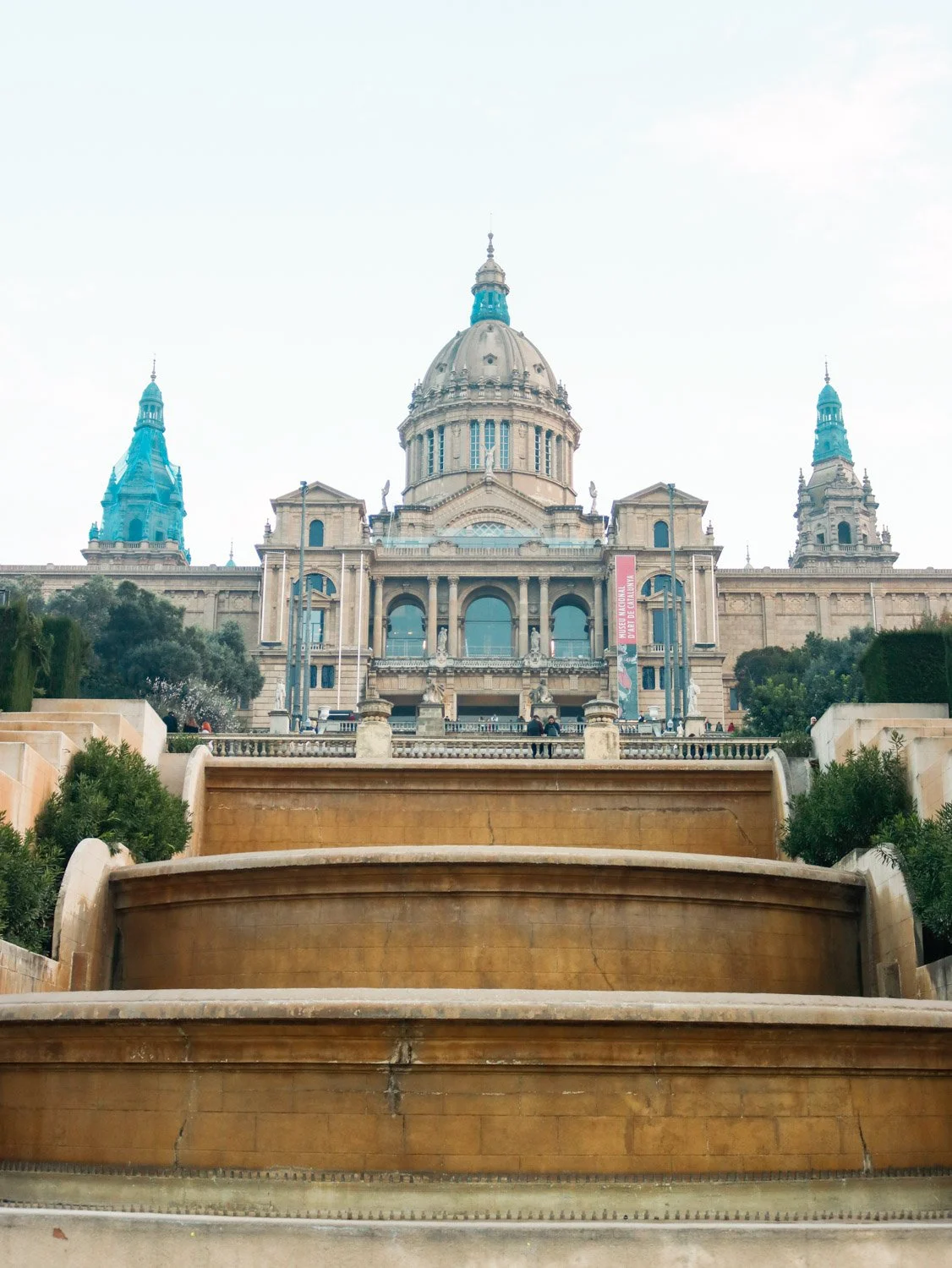
Where to Stay in Barcelona
This was the one place we actually stayed in a hotel! It is called Praktik Bakery. Yes, a bakery!
Upon entering, Praktik Bakery looks and smells like a regular bakery, but around the corner is a check-in desk for the hotel. From the bakery, you hop in an elevator that takes you up to the rooms.
The hotel hallways are filled with the scent of freshly baked bread from the bakery downstairs. It’s delightful! In the morning, there is a full breakfast spread with freshly baked pastries, breads, and other items.
I wish we had stayed a few days longer. The location of Praktik Bakery was perfect, and the rooms were clean, beautiful, and comfortable. On future trips to Barcelona, I would happily stay here again.
Praktik Bakery’s nightly cost ranges greatly, depending on when you visit. In the off-season, you can get rooms for about $100/night, which is a steal for a hotel like this. Peak season costs go up to about $250/night.

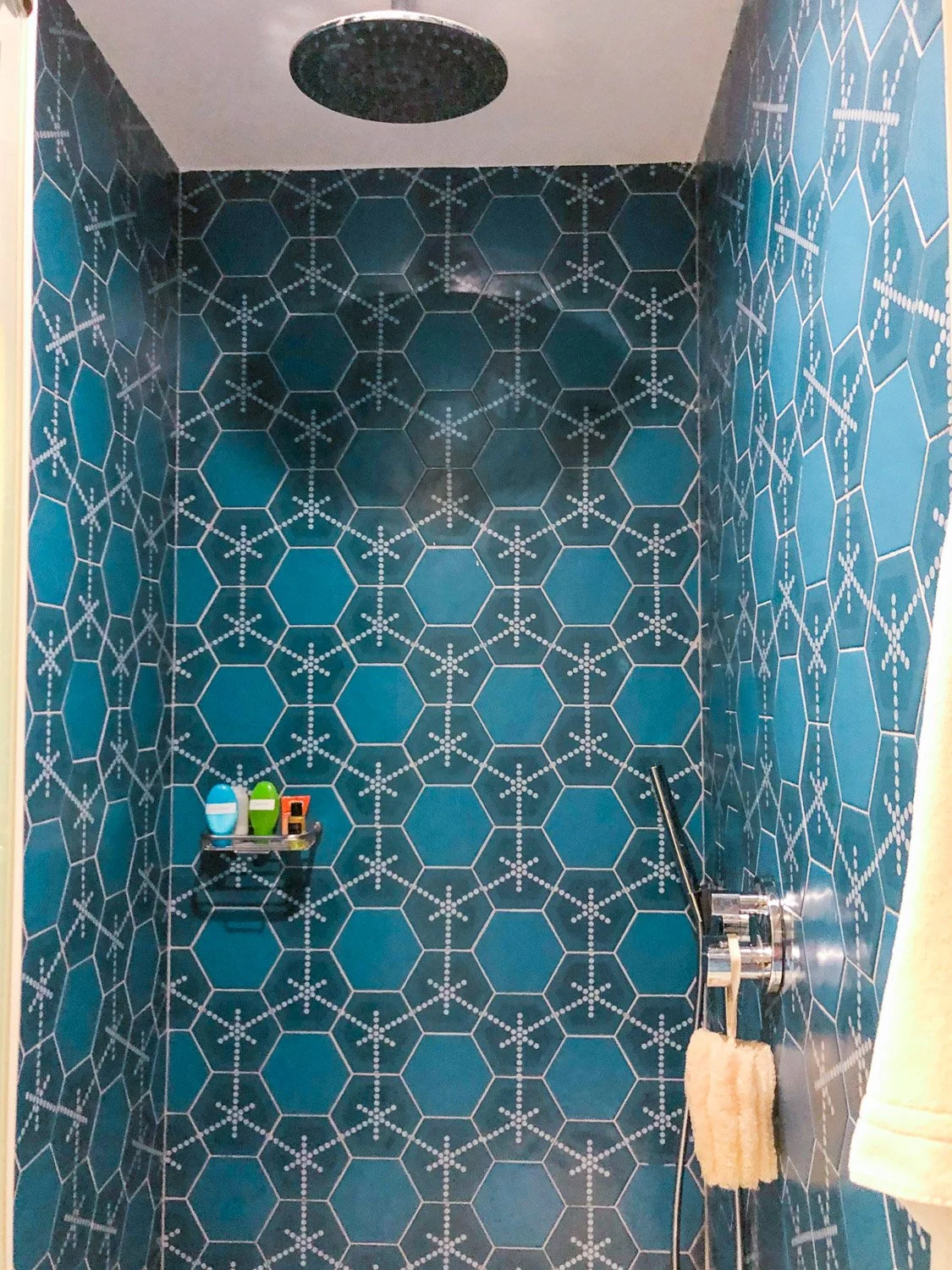
As a major tourist destination, Barcelona is incredibly seasonal. Hotel prices vary drastically between the popular summer months (most expensive) and the quiet winter months (cheapest).
The wide price ranges below encompass the seasonal price fluctuations throughout the year.
Additional accommodation in Barcelona:
Limonaia (boutique hotel) — $140–450/night (usually ~$250/night)
Praktik Rambla — $170–230/night
Chic & Basic Lemon Boutique Hotel — $80–170/night
Fabrizzio's Petit (hostel) — ~$60 per bed/night
↳Barcelona accommodation: $100–250/night on average
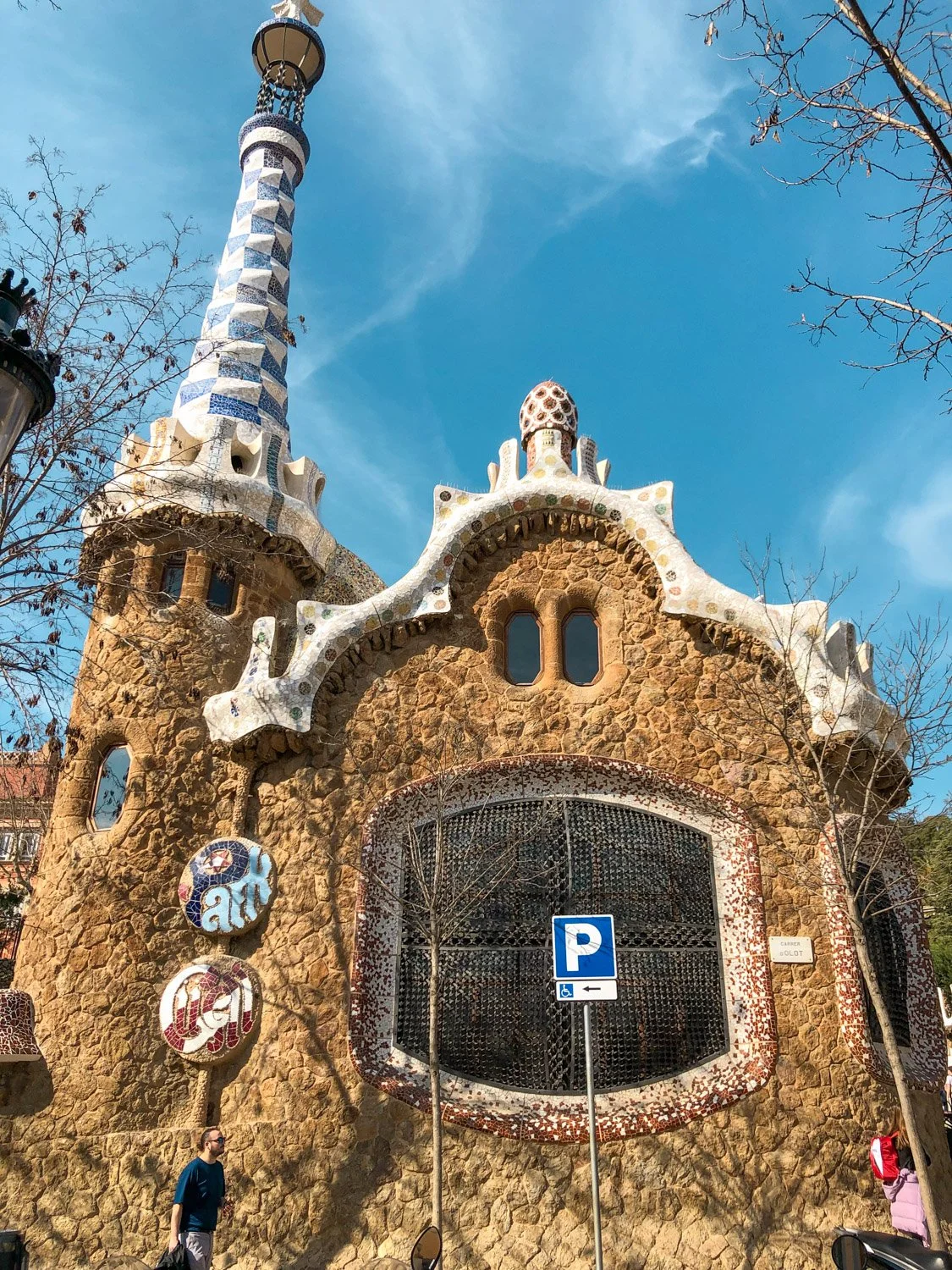

Seville, Spain
Seville was my favorite city on our trip! When you plan a trip to new places, you never know which ones you’ll love the most or like the least.
If you love architecture, history, and vibrant culture, you’ll love Seville and the rest of Andalusia.
Speaking of, Andalusia is a region in southern Spain, also called the “Golden Triangle.” The three points that make up the triangle are Seville, Granada, and Cordoba.
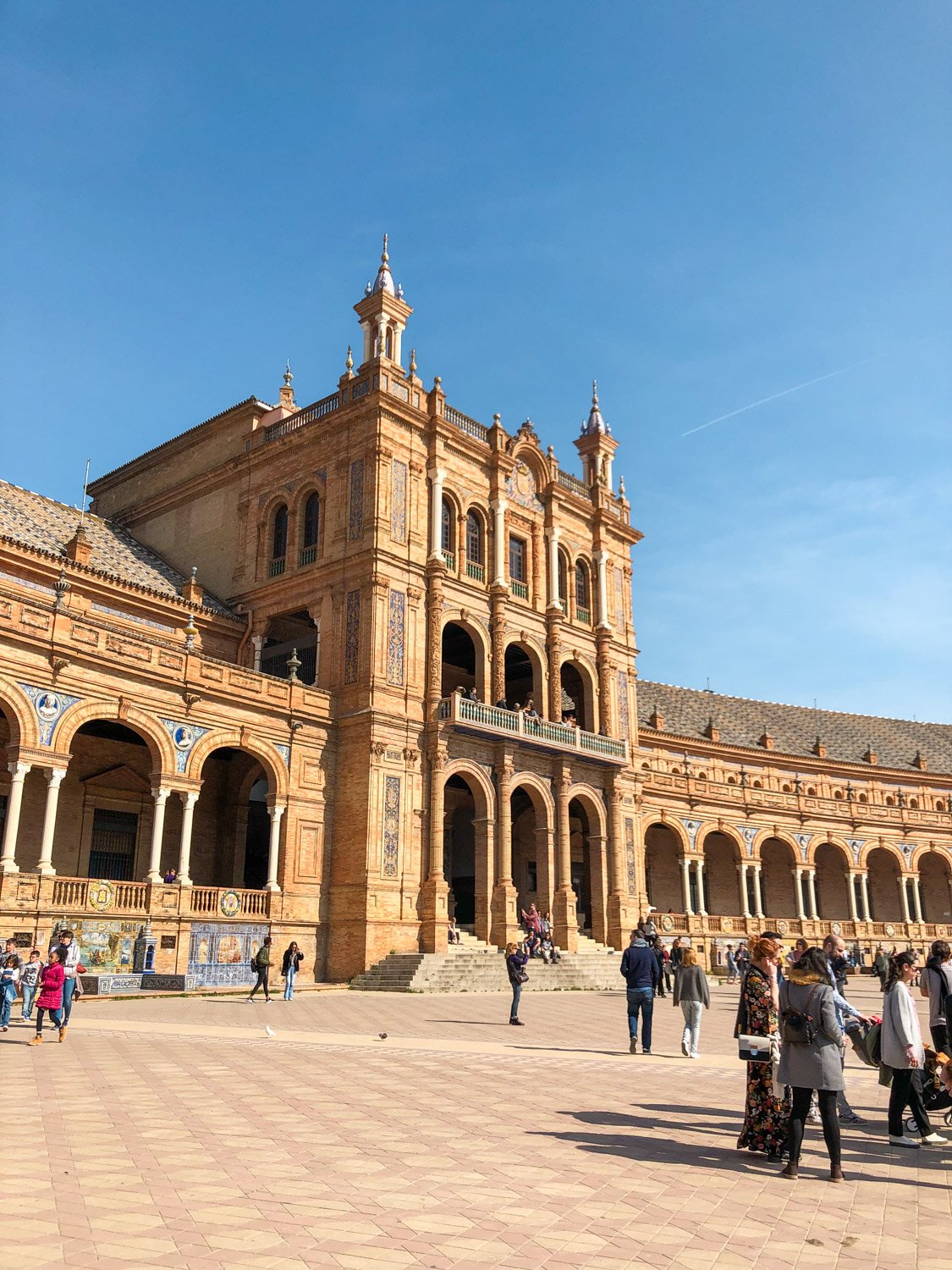
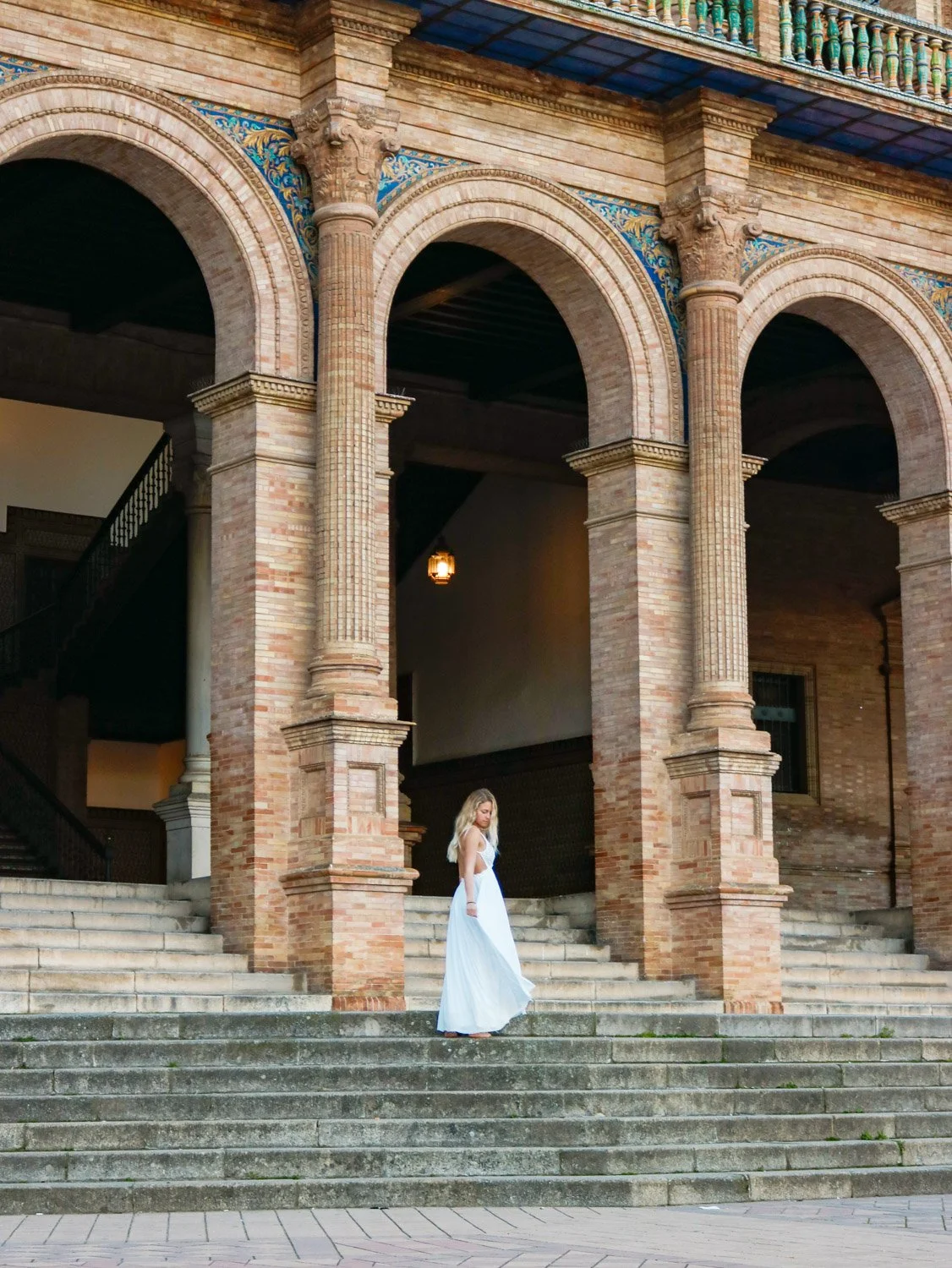
Seville is the capital of Andalusia. The grand Alcazar Palace, ornate Plaza de España, and beautiful pedestrian-only city center are what left the biggest impression on me.
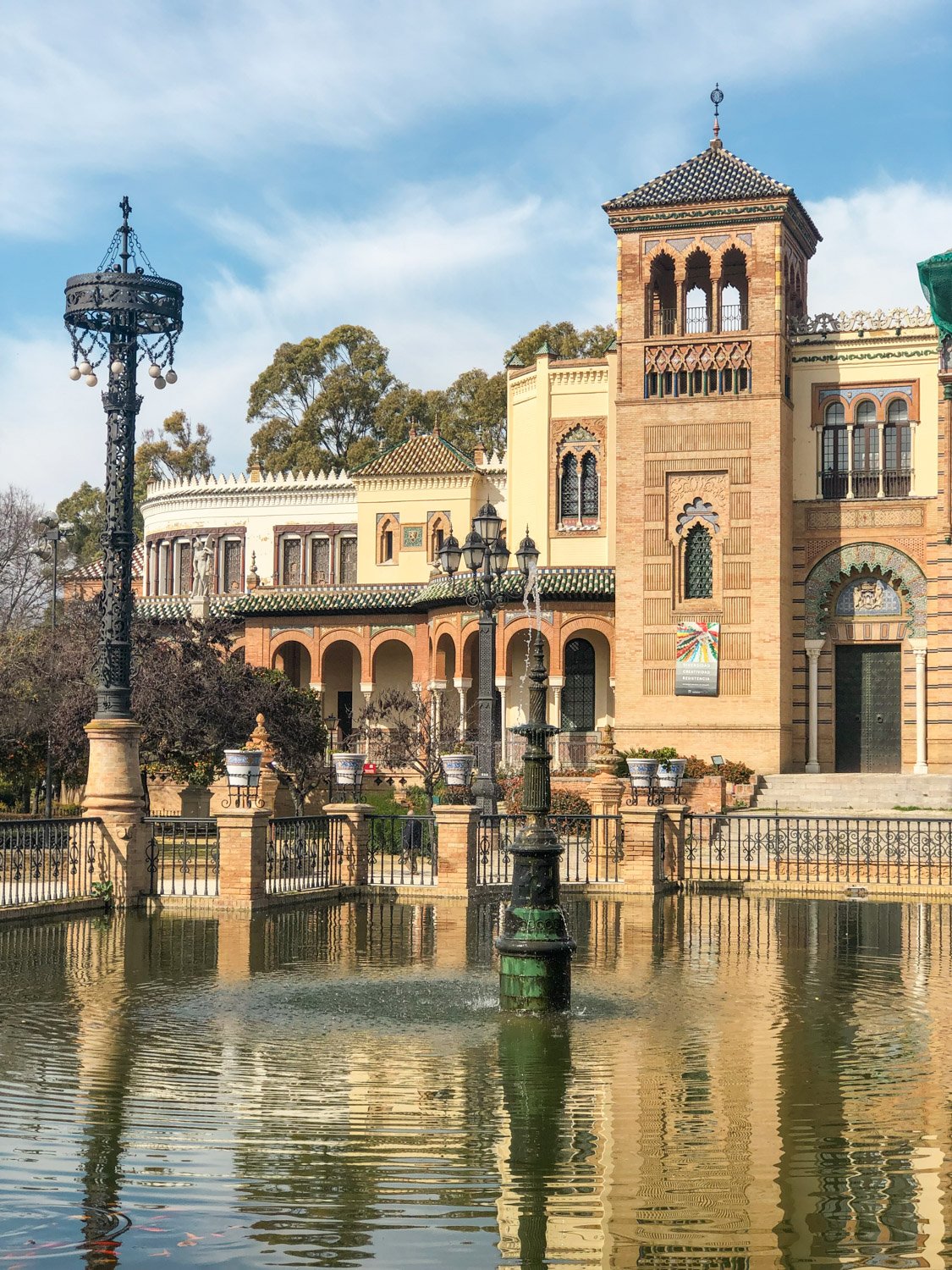
How to Get to Seville
Flying is the fastest and easiest way to get from Barcelona to Seville. The total flight time is under two hours, compared to six hours on a train or 10 hours on a bus.
As we were on a budget, we flew the budgetiest of all budget airlines in Europe: Ryanair. Yes, it’s super cheap and not the most comfortable, but you get what you pay for. I’ve flown Ryanair multiple times for short flights, and it’s been great.
Once you land and make your way through the airport, hop in one of the taxis waiting at the arrivals and take it to your accommodation.
Some roads in the city center are pedestrian-only. Our taxi driver got us as close as possible to our accommodation, and we lugged our suitcases over the cobblestone streets the rest of the way.
This specific moment is one of the reasons I recommend packing carry-on only. It just makes transit much easier!
↳Barcelona to Seville flight: $25–50/person on average
How Long to Stay in Seville
We stayed in Seville for three nights, and I wish we had stayed four or five. If you plan ahead and pack your days full, you can see and do most of the major activities/sights in three nights.
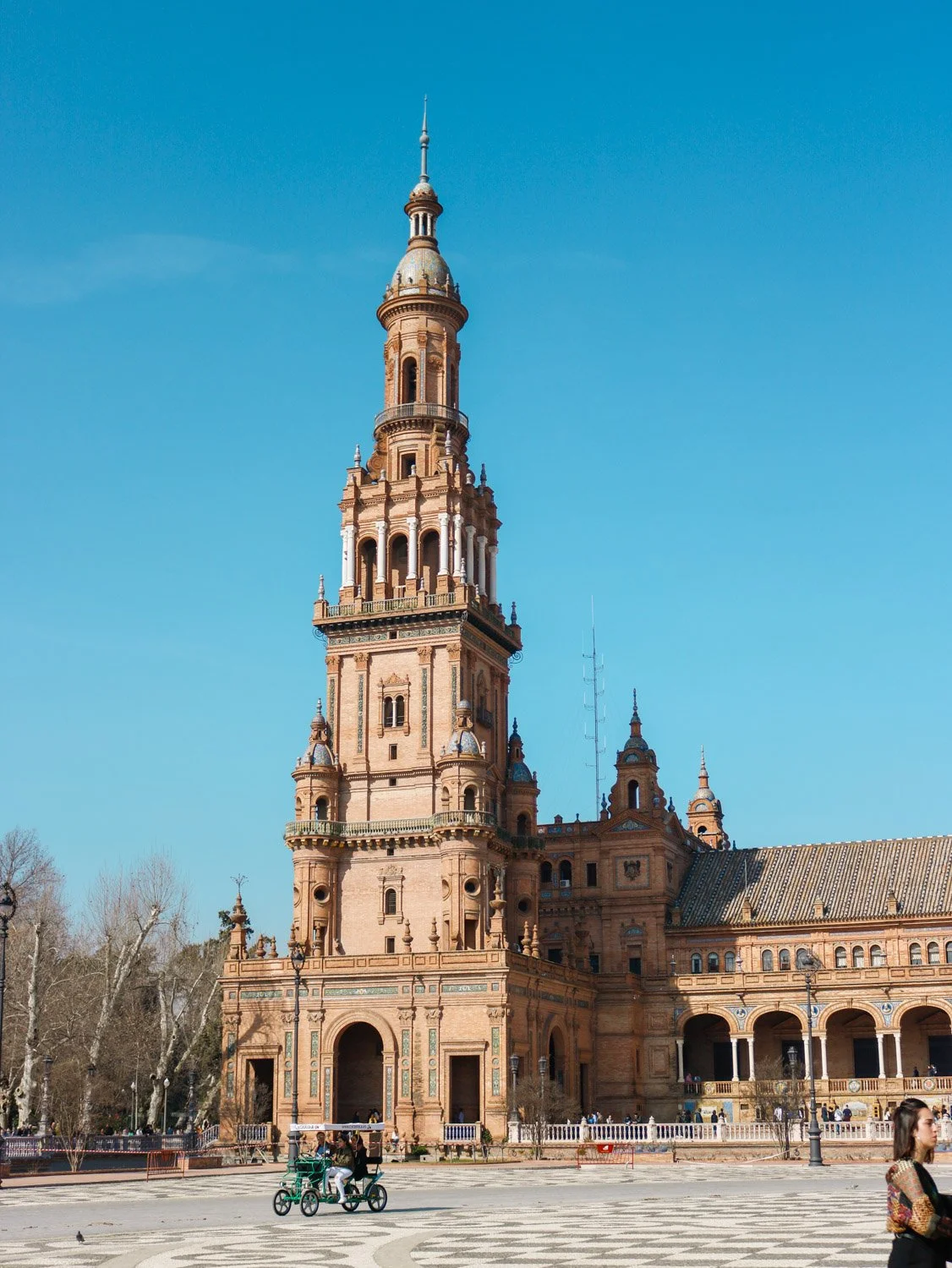
However, four nights will give you three days to explore without having to rush from activity to activity. Take a leisurely lunch, spend a couple of hours walking around the Plaza de España, or sleep in after a late-night tapas-filled dinner.

Where to Stay in Seville
Staying central in Seville is ideal. This makes it easy to explore on foot, especially throughout the pedestrian-only areas.
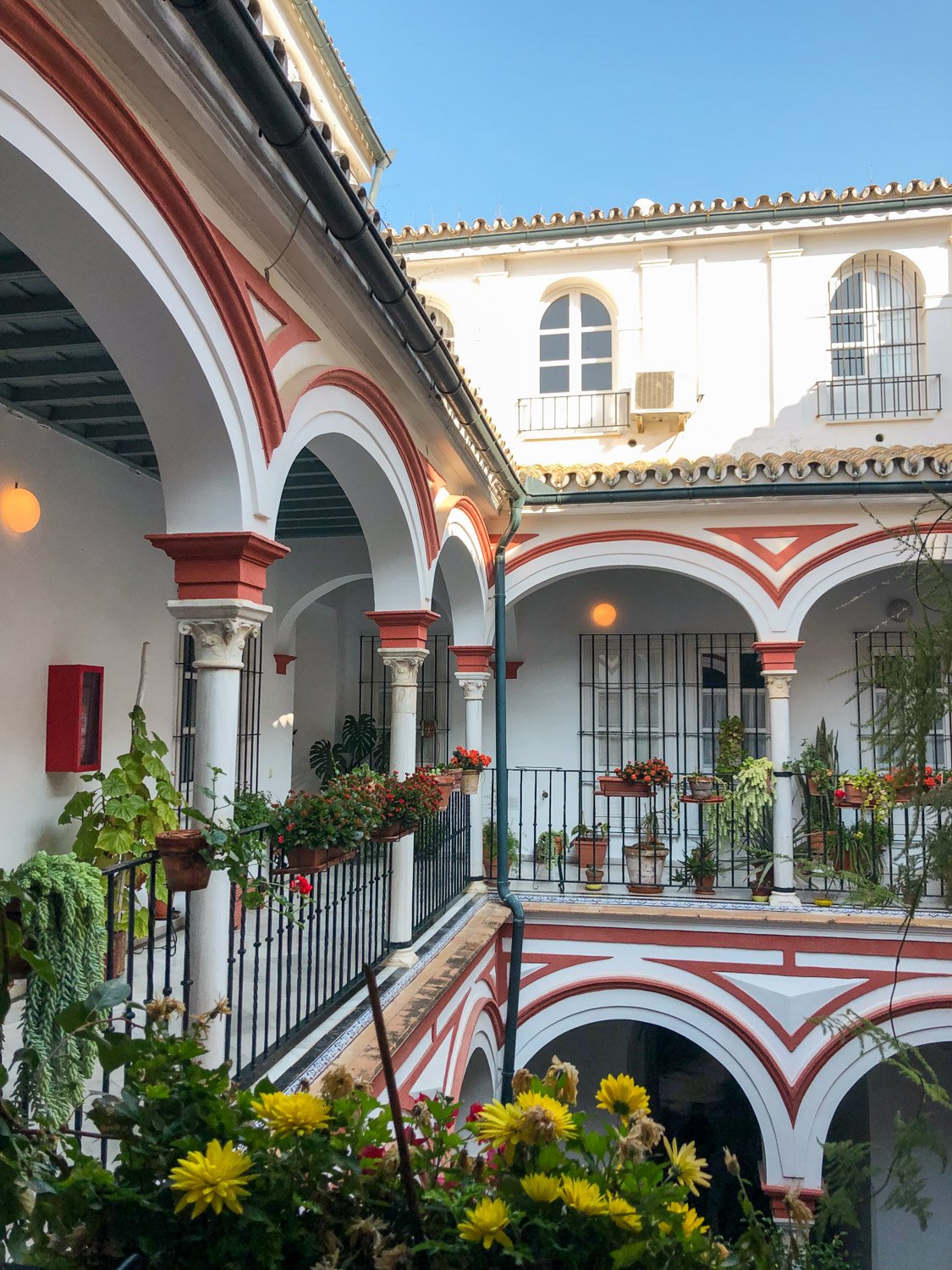
We stayed at Alohamundi Alfalfa and couldn’t believe how gorgeous the apartment building was. The loft apartment is cozy, while the lower level is bright and airy with tall ceilings. It’s centrally located and just a few steps from restaurants and cafes.
Entering the plant-filled courtyard with beautiful arches and checkered floors as we headed out for the day was a lovely start to each morning.
During the low winter season, accommodations are priced lower, and you can get an amazing place for a steal. Summers are more expensive, though many places are still affordable compared to some of the other cities on this itinerary.
Centrally located accommodations in Seville:
Sweet Sevilla Hostel — $20–40 per bed/night
EME SEVILLA TURISTICA — $75–150/night
Líbere Seville Plaza Nueva — $130–180/night
Alohamundi Alfalfa — $150–200/night
↳Seville accommodation: $130–180/night on average

Granada, Spain
The most unique thing about Granada is the tapas culture. For every alcoholic drink you order, they bring out a plate of tapas. In our experience, what they bring out is a complete surprise!
At one of the restaurants we went to, we each ordered a beer and they brought out a large plate of steamed mussels. This was a new food to me, and I enjoyed getting to try something different and liking it.
Granada’s main attraction is the Alhambra. It’s an impressive Islamic palace and fortress complex dating back to the late 1200s. The grandness of the complex is overwhelming.
With multiple palaces, a citadel, gardens, courtyards, and so much more, you can easily spend a full day there.

How to Get to Granada
The cheapest option to get from Seville to Granada is the bus. Visiting in February meant that half the bus was empty, and we got full rows to ourselves.
The buses have wifi and bathrooms, which is convenient since the bus ride to Granada was three hours long. I loved taking the bus because we got to see the Spanish countryside that we probably would have never seen otherwise.
After the three-hour journey, you will arrive at the Granada bus station. I recommend grabbing a taxi to your accommodation from here (there will be some waiting for passengers at the station).
Another option is to take the train. This is about the same length of time as a bus ride, surprisingly. Some trains are 20ish minutes faster, while others require a train change that adds extra time.
Between the bus and train, the bus ride is around $35, and the train is around $55. With both being similar lengths of travel time, we opted for the bus.
We booked all of our bus rides for Southern Spain in advance through Alsa. The entire process was seamless, and there weren’t any issues. You can also book through Busbud, which is another reliable platform.
↳Seville to Granada bus: ~$35/person


How Long to Stay in Granada
Granada is a tiny city with one major attraction: the Alhambra. We spent two nights here and felt it was enough time to spend a full day at the Alhambra and explore the town with the rest of our time.
I would recommend two or three nights in Granada, with the option for a day trip to Sierra Nevada for some snowy mountain hiking or skiing/snowboarding.
Where to Stay in Granada
We stayed in a two-bedroom apartment about half a mile from the city center, which is no longer available to book. If you’re planning to visit the Alhambra (which I highly recommend), you may want to stay on the side of town that’s closer to it.
The Alhambra is outside of the city center and can be a bit of a trek to walk there with the hills. You can, of course, get a taxi there instead for a quick and easy trip.
Central accommodations near the Alhambra:
Hotel Macià Plaza — $70–90/night
Hotel Mercader de Sedas by Maxi Hoteles — $100–200/night
BiBo Suites Palacio de Portago — $110–150/night
↳Granada accommodation: ~$125/night on average


Córdoba
Our days in Córdoba were spent more leisurely than in the other destinations on this itinerary. We found that without many major tourist attractions, we could meander the city at a slower pace.
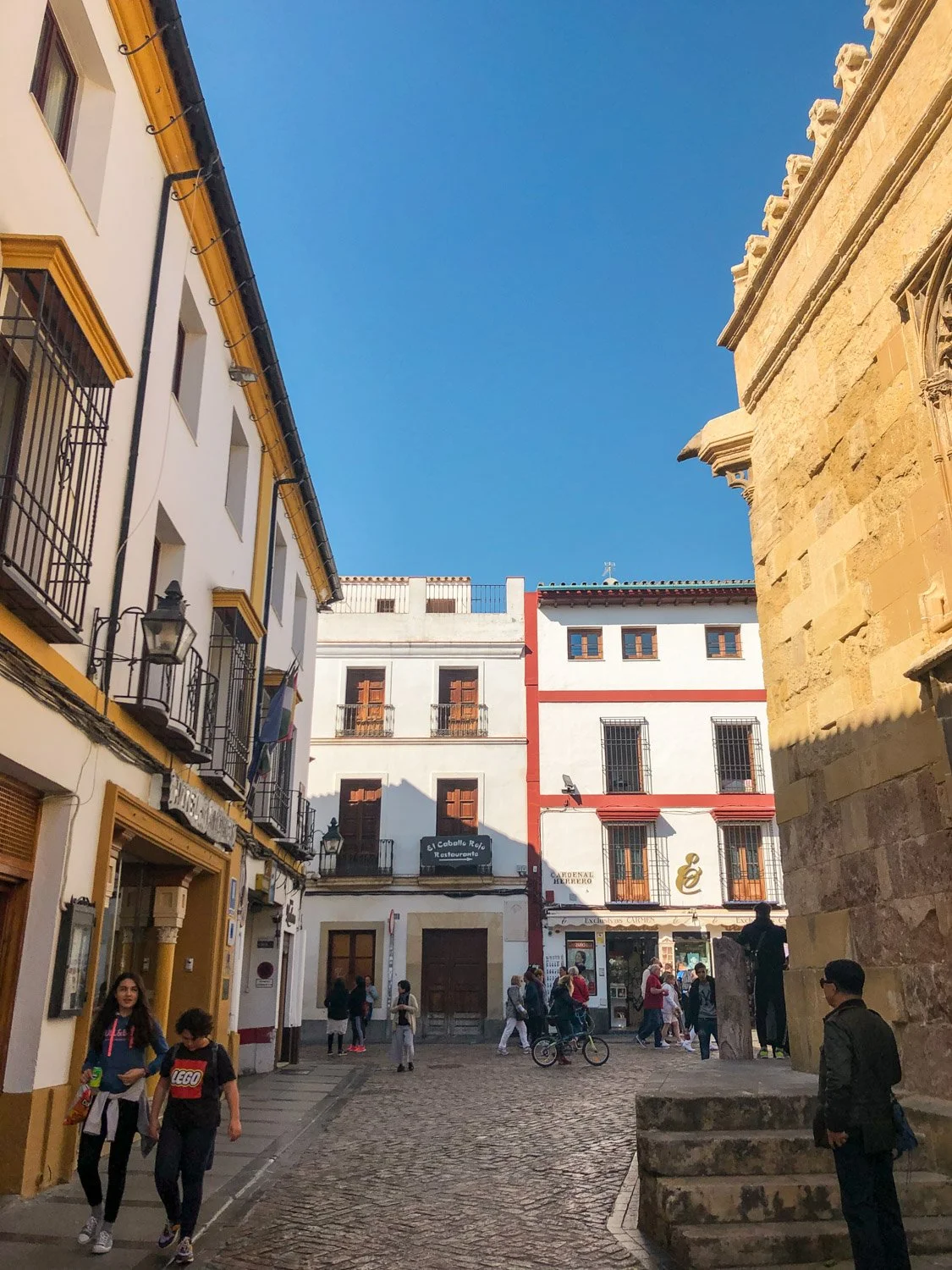
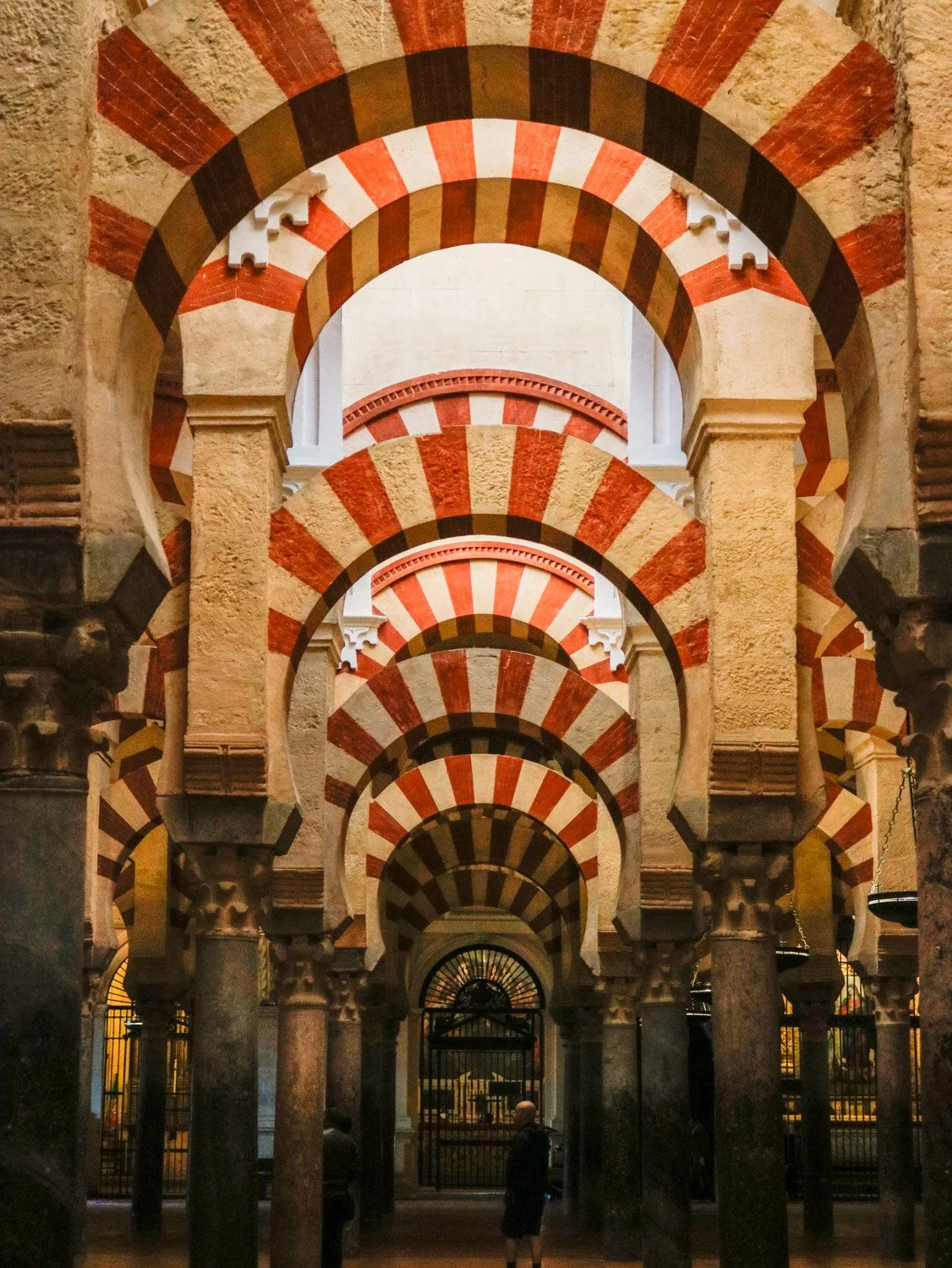
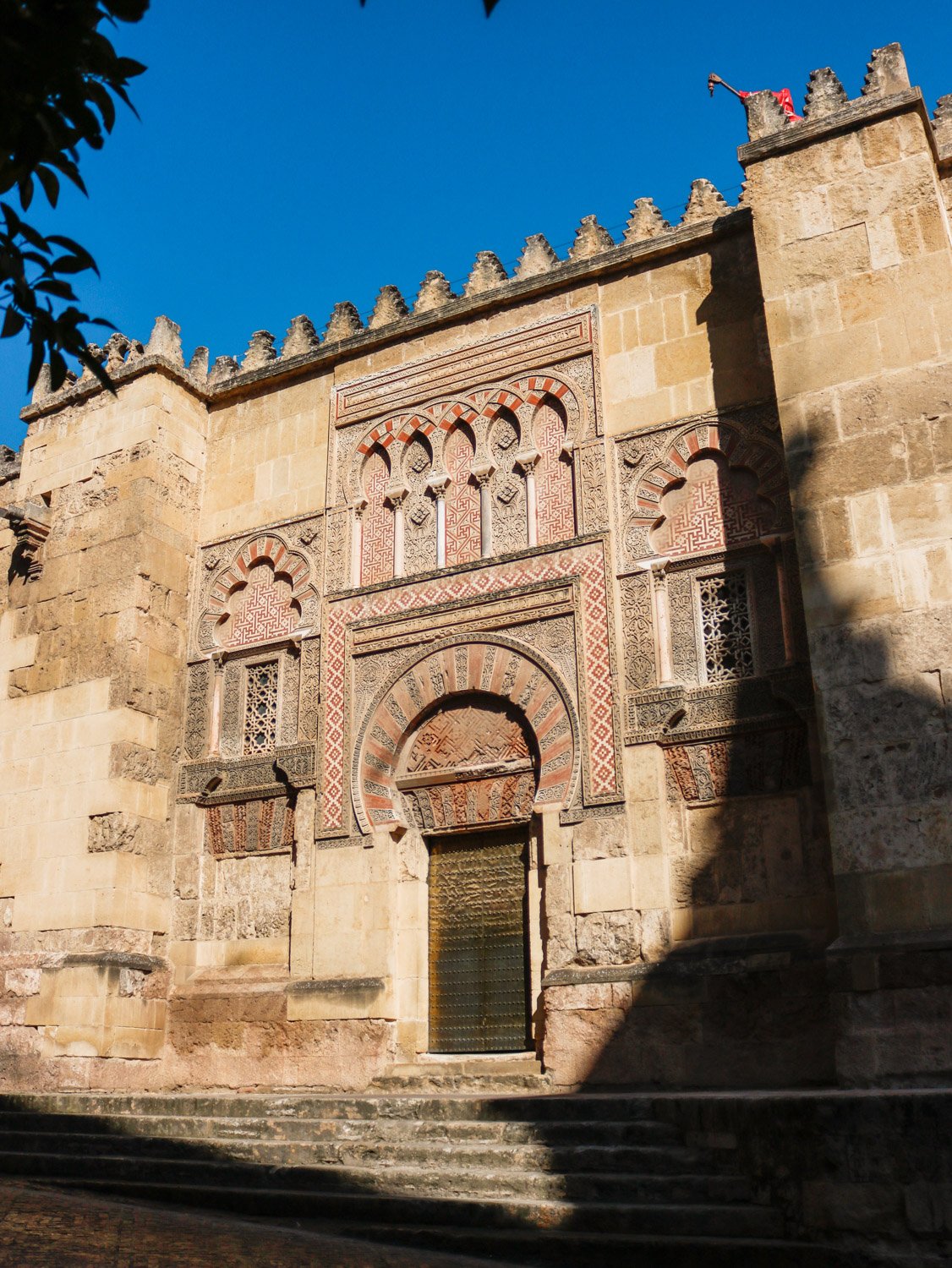
Exploring the Moorish architecture that Córdoba is known for is a lovely way to spend a day here. The Mosque-Cathedral of Córdoba is one of the best examples of this style, paired with some Renaissance architecture.
You must purchase tickets to enter the Mosque-Cathedral of Córdoba, unless you visit on Monday through Saturday between 8:30 and 9:30am. This hour is free for visitors with the exception of tour groups.
We visited during the free hour, and it was lovely and quiet. It was also great to save $18/person.
The Hammam Spa, however, was the best part of our time in Córdoba.
Enjoy 90 minutes in the opulent Turkish baths, switching between hot pools, cold plunges, a massage table, and the steam room. All while drinking the deliciously sweet mint tea provided in teapots throughout the spa.
If you do one activity in Córdoba, make it a visit to the Hammam Spa.
How to Get to Córdoba
Book another bus through Alsa or Busbud from Granada to Córdoba. The bus trip is an easy 2.5 hours for the fastest route and costs around $20 per person.
We reserved specific seats, but once we boarded, the bus was half empty again, and we moved around to empty rows. I was even able to sleep for part of the journey!
↳Granada to Córdoba bus: $20/person
How Long to Stay in Córdoba
Three nights in Córdoba were plenty of time for us. Especially since we were nearing the end of the trip and were exhausted from walking 20,000+ steps a day.
With three nights/two full days, you will have enough time to see the main sights: Mosque-Cathedral of Córdoba (in Spanish: Mezquita-Catedral de Córdoba), Hammam Spa, and the city center.
Since Córdoba is easily walkable, you can explore most of it at a leisurely pace in two days.
Where to Stay in Córdoba
We booked an apartment in an old, stone-walled building just a few steps from the Mosque-Cathedral of Córdoba. It was the perfect area to use as a base for exploring the rest of the city!
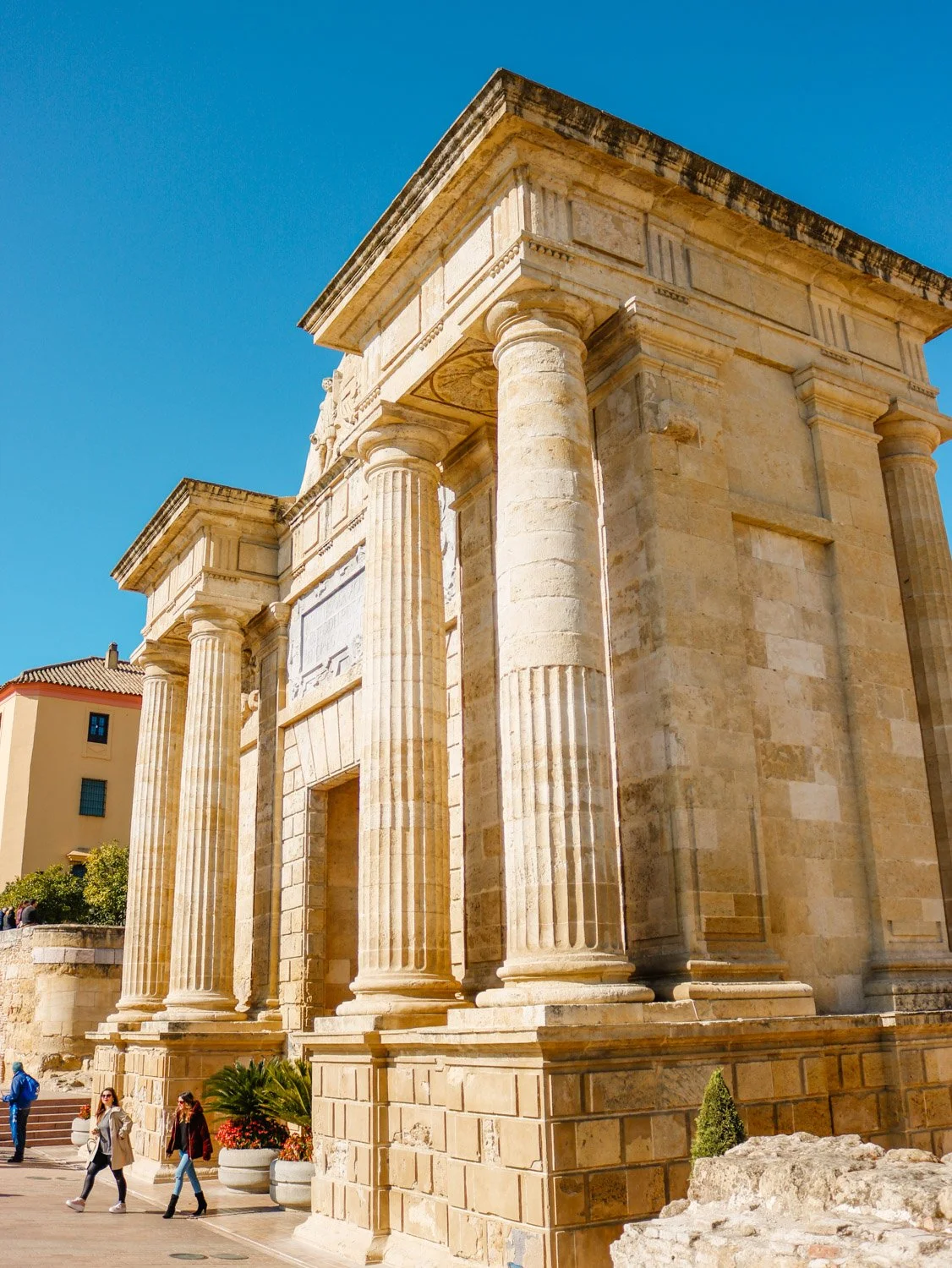
The apartment was within a short walking distance of the city center, the Hammam Spa, Calleja de las Flores, the Roman Bridge of Córdoba, and many restaurants.
While the exact place we stayed is no longer available, these accommodations are all in the same area:
Hotel Casa Museo de la Mezquita — $50–100/night
Hotel Marisa — $60–120/night
Aljara Mezquita – $90-110/night
Eurostars Maimonides — $100–300/night (varies widely depending on time of year)
↳Córdoba accommodation: ~$100/night on average


Madrid
Our experience in Madrid is the perfect example of how different opinions can be on travel destinations.
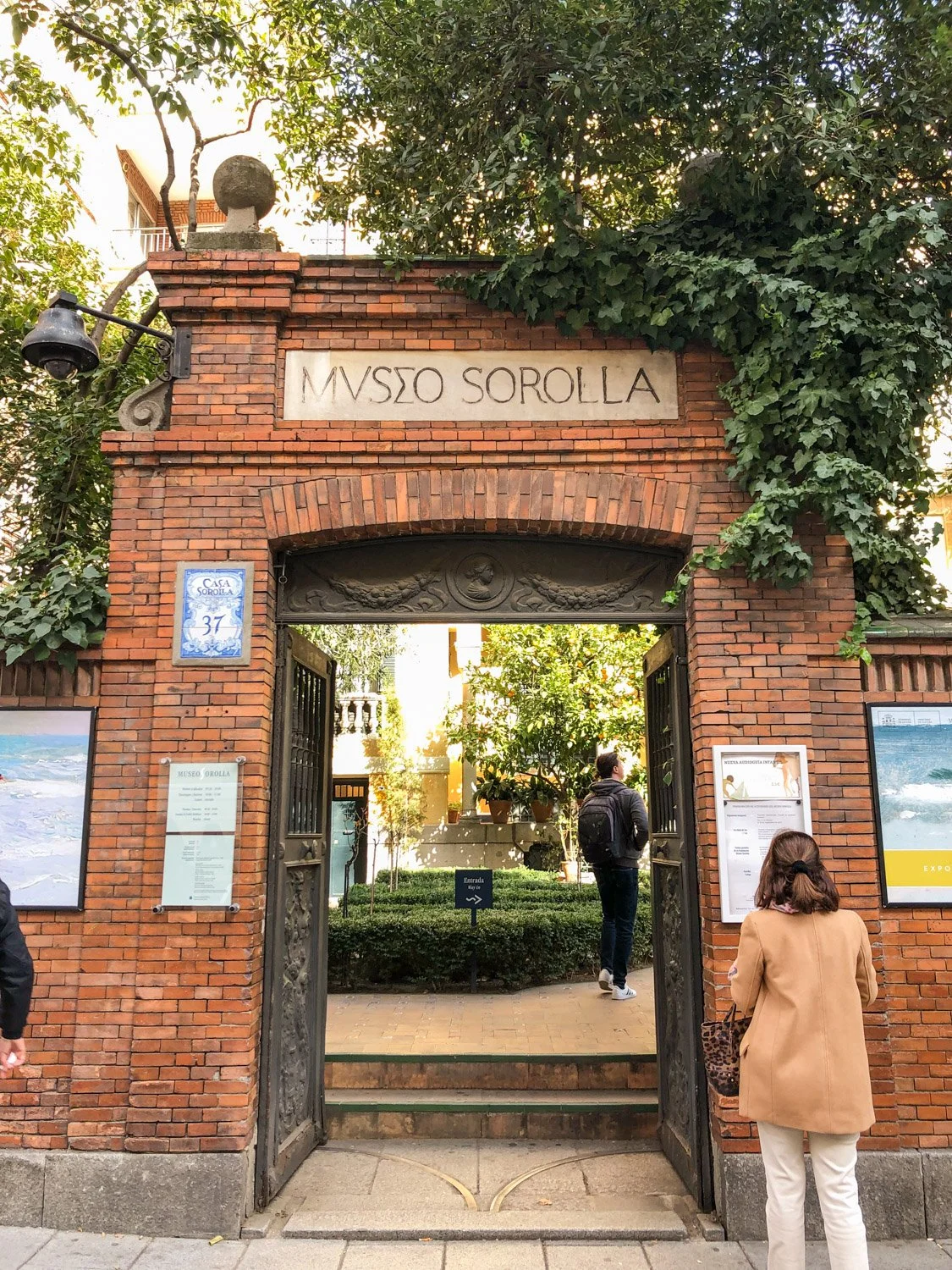
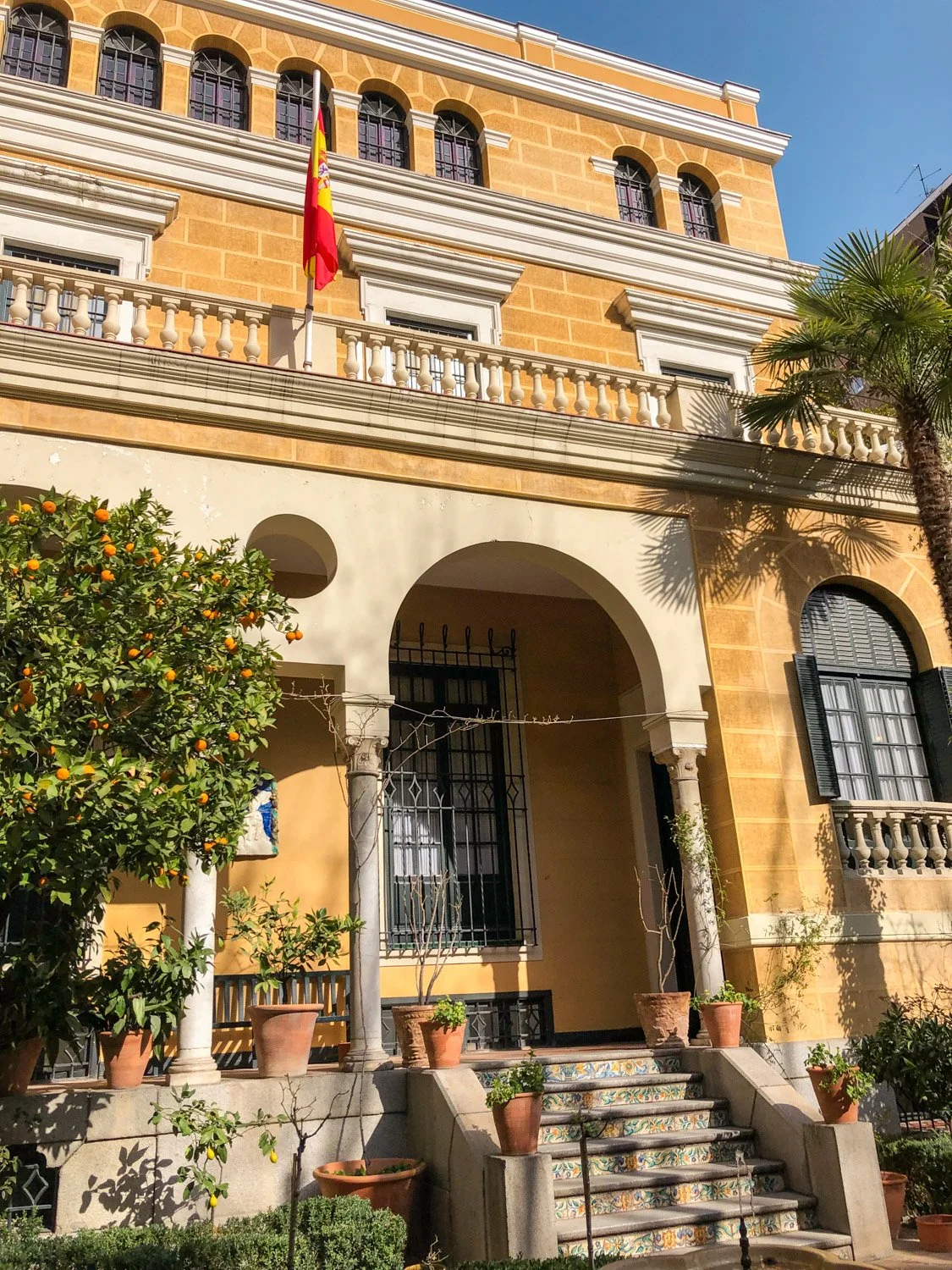
We personally didn’t enjoy it compared to the other cities we visited in Spain. The art museums were the best part of it for us! The main reason we visited Madrid was to see the Sorolla Museum.
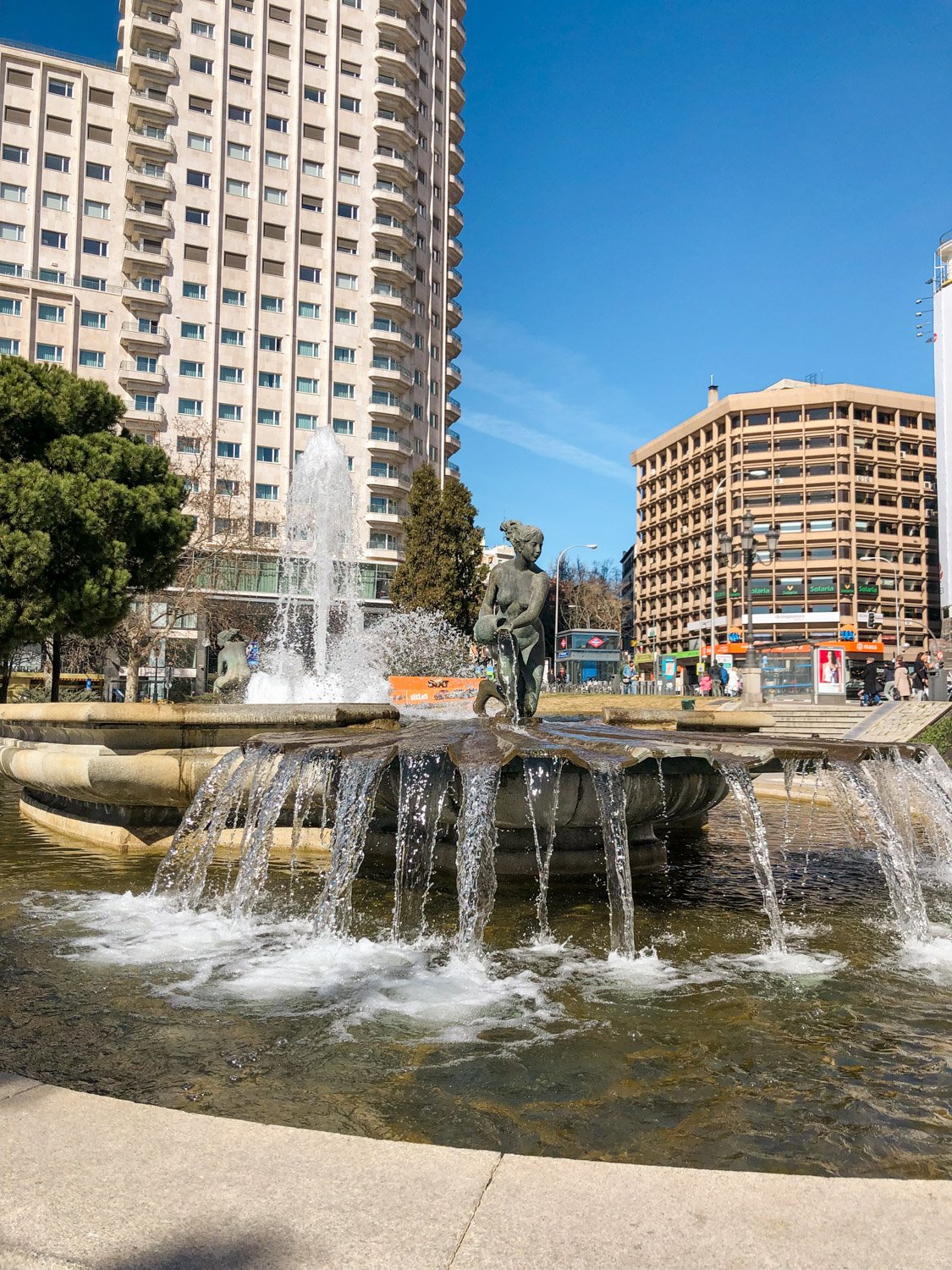
What surprised me the most about Madrid was the overwhelming amount of American fast-food restaurants in the city center along the Gran Vía. It saddened me to see low-quality American food taking over a beautiful city.
Beyond the fast-fashion shops and fast-food establishments, there is charm and history to be found.
Madrid’s central park, Retiro Park, is a lovely place to walk around midday. There are also impressive architectural sights, like the Royal Palace, Puerta de Alcalá, and Plaza Mayor. And I’ll mention this again, check out the art museums — they’re incredible.

How to Get to Madrid
To get from Córdoba to Madrid, we took the train. It was a comfortable ride with a surprisingly nice bathroom, wifi, and spacious seating.
As is a recurring theme in this itinerary, there were many empty seats on the train. We were able to get full rows to ourselves again — this won’t be the case during the peak tourism season.
The train ride is about two hours, but it flies by with the onboard wifi.
There are a few train companies that travel this route — we booked Renfe. Omio is a convenient train booking platform that has tickets for all the different train companies.
Ticket prices range depending on the day you’re traveling and how far in advance you book them. Prices are around $10–30 on the lower end and $40–60 on the upper end.
↳Córdoba to Madrid train tickets: ~$25/person on average

How Long to Stay in Madrid
With four nights in the city, we found ourselves with extra time on our hands and nothing to see or do.
Now, many people love Madrid and stay far longer than we did. Do not take my opinion as the only one. If it’s a place that you want to visit, I still recommend going to experience it for yourself.
For me, two nights would have been enough to see the things on my list, like the museums, Retiro Park, and the architecture.
If you stay longer and want to get out of the city, there are day trips you can take from Madrid, like Toledo (which I wish we had visited!).
Where to Stay in Madrid
We stayed on the Gran Via, which is the main street through the center of town. It’s an energetic and lively area compared to the tranquil cities in Andalusia’s Golden Triangle.
This might be a positive for you if bar-hopping and partying are on your itinerary.
Part of the negative experience we had in Madrid was that a large football game (soccer, for my fellow Americans) was happening in town. We did not anticipate this when we planned our trip. It brought thousands of drunk, loud fans into the city, who partied all day and night.
Tip: Compare your dates against the Madrid football schedule and stay outside of the Gran Via.
If you’re visiting for a lively scene, stay in the city center along the Gran Via:
Woohoo Rooms Boutique Luna — $200–250/night
Arenal Suites Gran Vía — $200–300/night
If you want a quieter trip, stay in Barrio de las Letras (the Literary Quarter). We loved stopping at cafes and walking through the charming streets on our way to the museums.
Limehome Madrid Sol — $150–300/night
Apartamentos Principe 7 — $200–300/night
↳Madrid accommodation: ~$250/night on average

Flight Home
If you fly out of Madrid, these are the average year-round prices for one-way flights to various cities at the time of writing.
You may be able to save on flights by booking your initial flight to Europe as a round-trip.
For example:
Book a round-trip flight from your city to London.
Book a one-way flight from your last stop of the trip to London to catch your return flight home.
Depending on where you start and end your trip, this could either save you money or cost more. Compare flight prices to figure out what is best for you.
Average flight prices from Madrid:
$600–800/person from Vancouver, Canada
$300–600/person from Toronto, Canada
$300–500/person from New York, NY
$400–600/person from San Francisco or Los Angeles, CA
$500–700/person from Dallas, TX
$700–1,000/person from Sydney or Melbourne, Australia
How to Plan a One-Month Europe Trip
Planning a month-long trip can be daunting. There are many logistics to keep track of, including transportation, accommodations, and activities. Take it one step at a time, starting with the most fun part: deciding on where you want to visit!
Deciding on Which Places to Visit
For large trips like this, I like to start with a simple list of places I want to visit. You can put them in a Google Doc or go analog with paper and a pen.
From there, do some light research on each destination. Narrow down the list, if needed, to 5–8 cities for a one-month trip (25–30 nights).
The trickiest part is planning the route and transportation between each destination. For this itinerary, it was easiest to group by country, then determine the order in which to visit each city.
If you just can’t decide or feel completely overwhelmed with this part of the planning process, that’s what my itinerary is for! You can follow it exactly or use it as a template and build your own itinerary from it.
Booking Hotels & Accommodations
I prefer to book all my accommodations through one platform when planning multi-city trips.
It eases some of the travel/planning stress when I can log into my Booking.com account and see all my hotel/apartment bookings in one place.
For that reason, I recommend creating a Booking.com account and booking everything through there. They often have special discounts for Genius members (aka anyone with an account).
Plus, Booking.com has hotels, apartments, vacation homes, and hostels. So you’re not restricted to just hotels or just apartments/vacation homes.
Picking the Time of Year to Visit
Summer is when most people can take time off for travel. This usually means hotels book up quicker, cities are more crowded, and prices are much higher.
If you are only able to travel in summer, that’s perfectly fine. Just plan on expenses being on the upper end of the ranges for accommodations, activities, and transportation.
My favorite time to visit Europe is in the shoulder season. September and October are some of the best months to visit, especially if you go to destinations that stay warm through early fall.
For the most part, the cheapest time to visit Europe is in winter, after Christmas and New Year's Day. Our trip was in January/February, and prices and crowds were incredibly low.
Tip: Once you have your list of destinations planned, check for local events and holidays in each one. Hotel prices soar during those dates.

Tips For Spending One Month in Europe on a Budget
The majority of these tips are for travelers looking to save money while still enjoying a month in Europe. Thirty days of traveling can add up.
Let me help you cut costs where possible, so you can spend more on things that matter most to you.
Travel in the Off Season
As mentioned earlier, the off-season is typically more affordable than the popular summer season. For Europe, the off-season is usually between November and March, except for December and New Year's.
Take Trains/Buses Instead of Flights
Where possible, opt for a train or bus instead of a flight. This is usually cheaper and more sustainable than air travel.
I find it’s also less of a hassle compared to checking into a flight, waiting at the airport, boarding, deboarding, etc.
Use Budget Airlines
When a train or bus is just too long, or the price is higher than a flight, book with a budget airline. It won’t be as comfortable as a high-end airline, but you can save quite a bit!
Flights between European cities are shockingly affordable, usually less than $100/person one-way.
If you’re flying from somewhere far away from Europe, like the U.S. or Australia, that long-haul flight will be by far the most expensive. I use Google Flights to find the cheapest airlines and routes.
Book Transportation Before Your Trip
Navigating planes, trains, and buses can be stressful. Having your tickets booked and seats reserved ahead of time makes it a thousand times easier.
Your spots are guaranteed, you don’t have to plan departure and arrival times on the fly, and you likely save some money booking in advance.
Pack Carry-On Only
Having checked luggage adds unnecessary time and stress to your trip. Not to mention it can cost $50+ extra per flight per checked bag.
Trying to drag a big suitcase through cobblestone streets and running through train/bus stations with a giant suitcase and a carry-on was a nightmare.
Take it from me — go carry-on only! It’s absolutely possible, even for a one-month Europe trip.
Use Travel Credit Card Points
I’m no wizard with travel miles, points, etc. To be honest, the amount of time and effort required to juggle multiple cards isn’t alluring to me.
But I love my Capital One Venture X credit card. I use it for all my purchases, which earns me points I can use towards travel. I’ve booked round-trip flights to Europe just with my points!
No special points transferring, combining, or whatever else. Just earning points through regular purchases I was going to make anyway, then cashing them in when I book trips.
There are many different credit cards out there that you can use to earn points/miles for travel purchases. I only use Capital One Venture and Venture X, so that’s the only one I can personally recommend.

FAQ: One-Month Europe Trip on a Budget
These are some common questions you may have about a one-month Europe trip. It’s a quick recap of some of the major budget-related topics we covered earlier.
How Much Does it Cost to Spend a Month in Europe?
A one-month Europe trip can cost anywhere from $3,000–12,000 in 2026, depending on your travel style.
Average cost per person for one month in Europe:
Budget travelers: $3,000–5,000
Mid-range travelers: $6,000–9,000
Luxury travelers: $10,000+
Is $4000 Enough for a Month in Europe?
Yes! For budget travelers, one month in Europe can cost as low as $3,000.
If you book low-cost accommodations, eat cheaply, and only book a few activities/tours, you can save thousands.
Is One Month Long Enough for Europe?
One month is more than enough to explore a few different countries and multiple cities. I find that by the fourth week, I start running out of steam. Three weeks would be my ideal Europe trip length for how full I pack my days.
If you’re planning to backpack your way across all of Europe at a leisurely pace, you’ll probably need longer than a month.

Resources for Your One-Month Europe Trip
Booking.com — For booking accommodations.
Omio — For booking trains.
Airalo — For eSIMs with worldwide coverage.
Universal adapter — For using different outlets/plugs across countries.
Anker Power Bank — For staying charged up while on the go.
Peak Design Packing Cubes — For compressing your clothes to fit in a carry-on.
Airtag 4-pack — For keeping track of your luggage and valuables.
Europe Travel Guides You Might Like




Pin it For Later
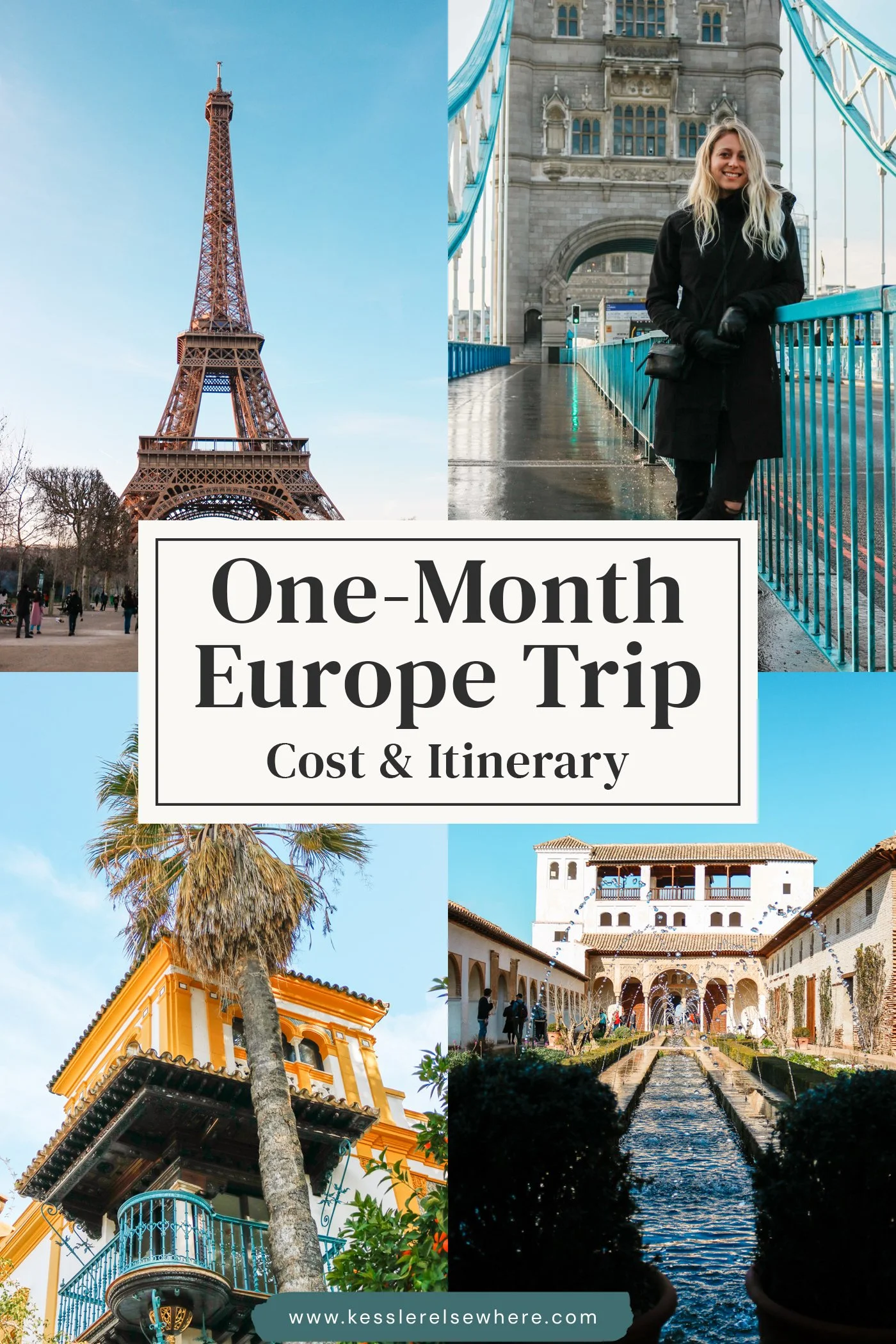


Planning a one-month Europe trip and feeling overwhelmed? Get my detailed cost breakdown, one-month Europe itinerary, and tips for saving money on your trip.